Tungsten Carbide Mold Parts Grinding: How to Prevent Cracking and Ensure Surface Finish
Jan 15, 2026
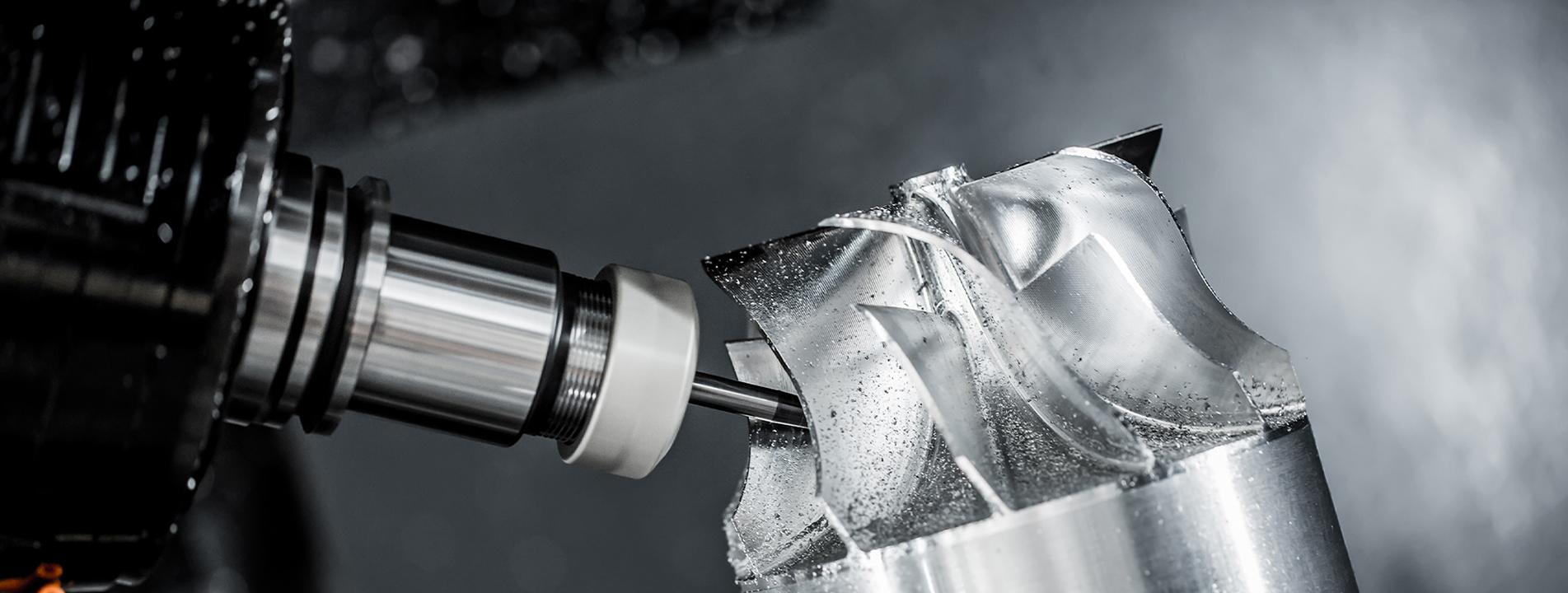
Tungsten carbide (WC) has become the backbone of high-precision mold manufacturing, thanks to its exceptional hardness, wear resistance, and thermal stability. However, grinding this super-hard material is a double-edged sword—its high brittleness and poor thermal conductivity make it prone to cracking, while its strict application requirements demand superior surface finish. For mold manufacturers, mastering the art of tungsten carbide grinding means balancing precision, efficiency, and defect prevention. We’ll break down actionable strategies to avoid cracking and achieve optimal surface quality, backed by practical insights from real production scenarios.
Why Tungsten Carbide Grinding Is Prone to Cracking?
Before diving into solutions, it’s critical to understand the root causes of cracking. Tungsten carbide’s unique structure—composed of hard WC grains bonded by cobalt—gives it outstanding performance but also creates vulnerabilities during grinding:
• Thermal stress buildup: Grinding generates intense frictional heat, and tungsten carbide’s low thermal conductivity traps this heat at the surface. The resulting uneven expansion and contraction between the surface layer and the core create irreversible thermal stress, leading to micro cracks or even complete fractures .
• Mechanical stress concentration: Sharp corners, thin walls, or structures in mold parts act as stress concentrators. Excessive grinding force or improper tool contact can easily initiate cracks in these weak areas .
• Subpar material or preprocessing: Impure raw materials with high impurity content or unrelieved internal stress from sintering can make the material more brittle and susceptible to cracking during grinding .
Practical Strategies to Prevent Cracking & Improve Surface Finish
Pre-Grinding Preparation: Lay the Foundation for Success
• Optimize part design & material selection: Avoid sharp edges (use a minimum fillet radius of 0.5mm) and reduce thin-walled sections to minimize stress concentration. For complex-shaped mold parts, choose cobalt-rich tungsten carbide grades (e.g., WC-6%Co) for better toughness .
• Preprocess the blank: Conduct low-temperature annealing (150–200℃ for 2–3 hours) to release internal stress from sintering. Inspect blanks for surface defects (e.g., pores, microcracks) using ultrasonic testing—defective blanks should be rejected or repaired before grinding .
Grinding Parameter Optimization: Balance Efficiency & Safety
Grinding parameters directly determine heat generation and mechanical stress. Based on simulations and Taguchi method experiments, the following parameter ranges are proven effective for WC-6%Co mold parts :
• Grinding depth: Limit radial feed to 1–1.8μm per pass. Exceeding 1.8μm drastically increases surface roughness and cracking risk due to excessive stress.
• Feed speed: Maintain a range of 0.5–1.5mm/min. Too high a feed speed causes vibration and tool wear; too low reduces efficiency without significant quality gains.
• Wheel speed: Use higher speeds (3000–4000rpm) to achieve smoother cuts and reduce friction time, as surface roughness has a nonlinear inverse relationship with wheel speed .
• Workpiece speed: Keep it between 100–300rpm to ensure uniform material removal and avoid localized stress buildup.
Tool & Cooling System: Critical for Defect Prevention
• Choose the right grinding wheel: Use resin-bonded diamond wheels with 200–300 mesh for fine grinding. Resin bonds offer better shock absorption than metal bonds, while diamond’s hardness ensures consistent cutting without excessive heat . Avoid alumina wheels, as they wear rapidly and generate more friction heat.
• Upgrade cooling methods: Flood cooling alone is insufficient—adopt a high-pressure coolant system (20–30L/min flow rate) directed precisely at the grinding contact zone. This not only dissipates heat but also flushes away abrasive chips to prevent scratching . Select coolants with high thermal conductivity and lubricity to reduce friction between the wheel and workpiece.
Post-Grinding Treatment: Stabilize Quality & Performance
• Stress relief annealing: After grinding, perform low-temperature aging at 180℃ for 2 hours to release residual stress, preventing delayed deformation or cracking during storage or use .
• Surface finishing: For mirror-like surface requirements, follow grinding with ultrasonic polishing using 4000-grit diamond paste. This removes micro-imperfections without introducing new stress .
When it comes to tungsten carbide mold parts grinding, precision and reliability are non-negotiable. Hongyu Mould Co., Ltd. specializes in high-precision tungsten carbide component processing, leveraging over a decade of industry experience and advanced grinding technology. Our team of skilled engineers strictly follows the above-proven processes—from raw material inspection and parameter optimization to post-processing stress relief—to ensure every part is crack-free, dimensionally accurate, and meets the highest surface finish standards.
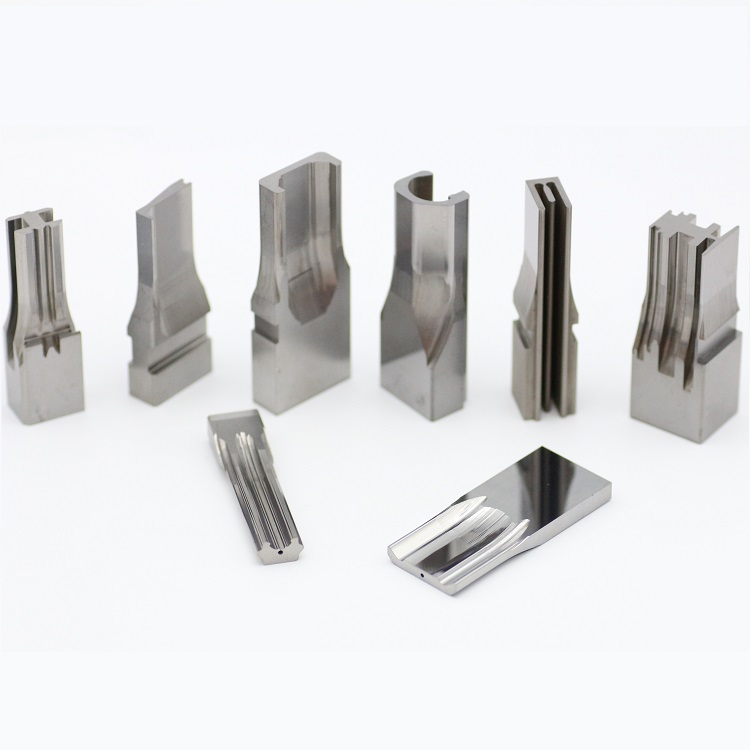
Whether you need complex mold cores, wear-resistant inserts, or custom tungsten carbide parts, we tailor our processes to your specific requirements, delivering consistent quality and on-time delivery. With a focus on reducing scrap rates and optimizing production efficiency, we’ve become a trusted partner for mold manufacturers worldwide.
Choose Hongyu Mould for your tungsten carbide machining needs—where technical expertise meets uncompromising quality. Contact us today to discuss your project!


 IPv6 network supported