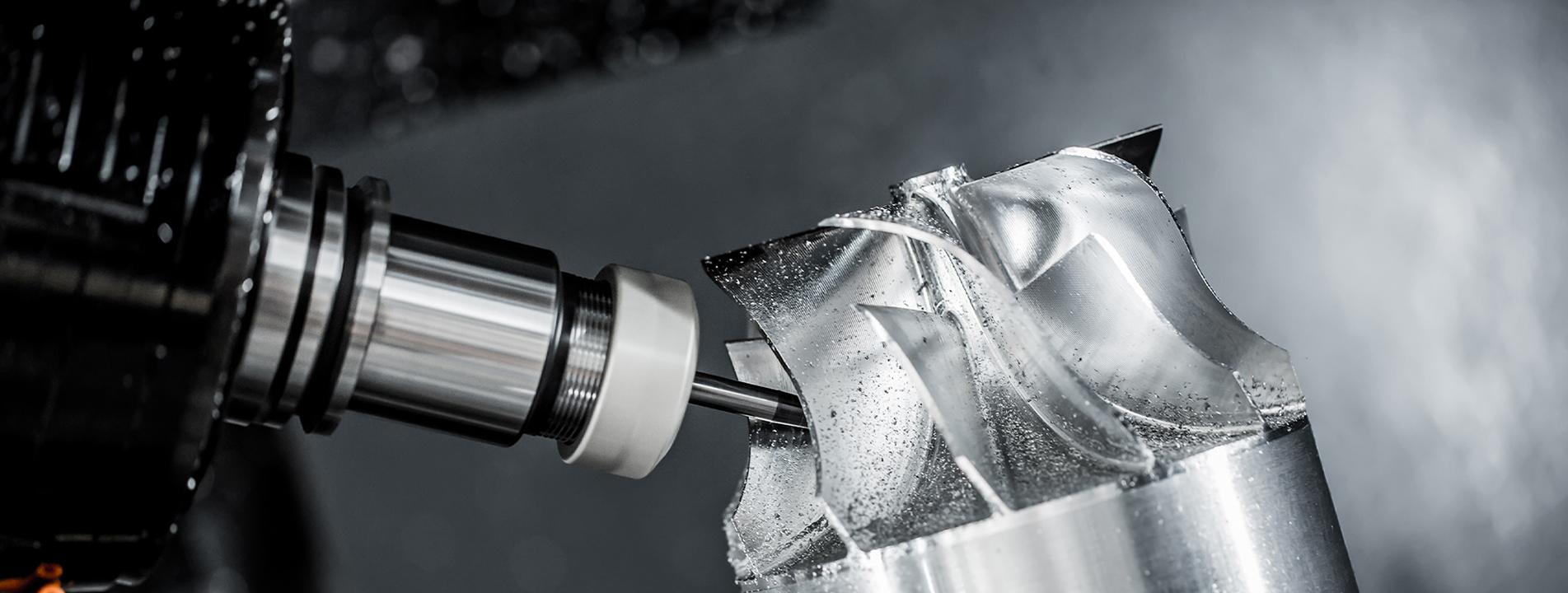
Tungsten carbide stands as one of the most widely used ultra-hard materials in modern manufacturing, prized for its exceptional wear resistance, high compressive strength, and dimensional stability under extreme operating conditions. For complex, tight-tolerance components—such as custom dies, precision inserts, micro-tools, and contoured mechanical parts—wire EDM (electrical discharge machining) is the one of the most effective processing method, as traditional cutting tools cannot machine tungsten carbide efficiently or accurately. However, a persistent challenge plagues even experienced fabricators: overcutting, which degrades part precision, ruins surface finish, wastes high-cost tungsten carbide blanks, and leads to costly reworks or scrapped parts.
When working with intricate, non-linear, or small-feature tungsten carbide shapes, overcutting is not just a minor error—it can invalidate the entire component. Unlike general steel or alloy machining, tungsten carbide's high hardness and brittleness amplify the risks of EDM overcut, making process control absolutely critical.
Optimize Wire Electrode Selection & Tension Control
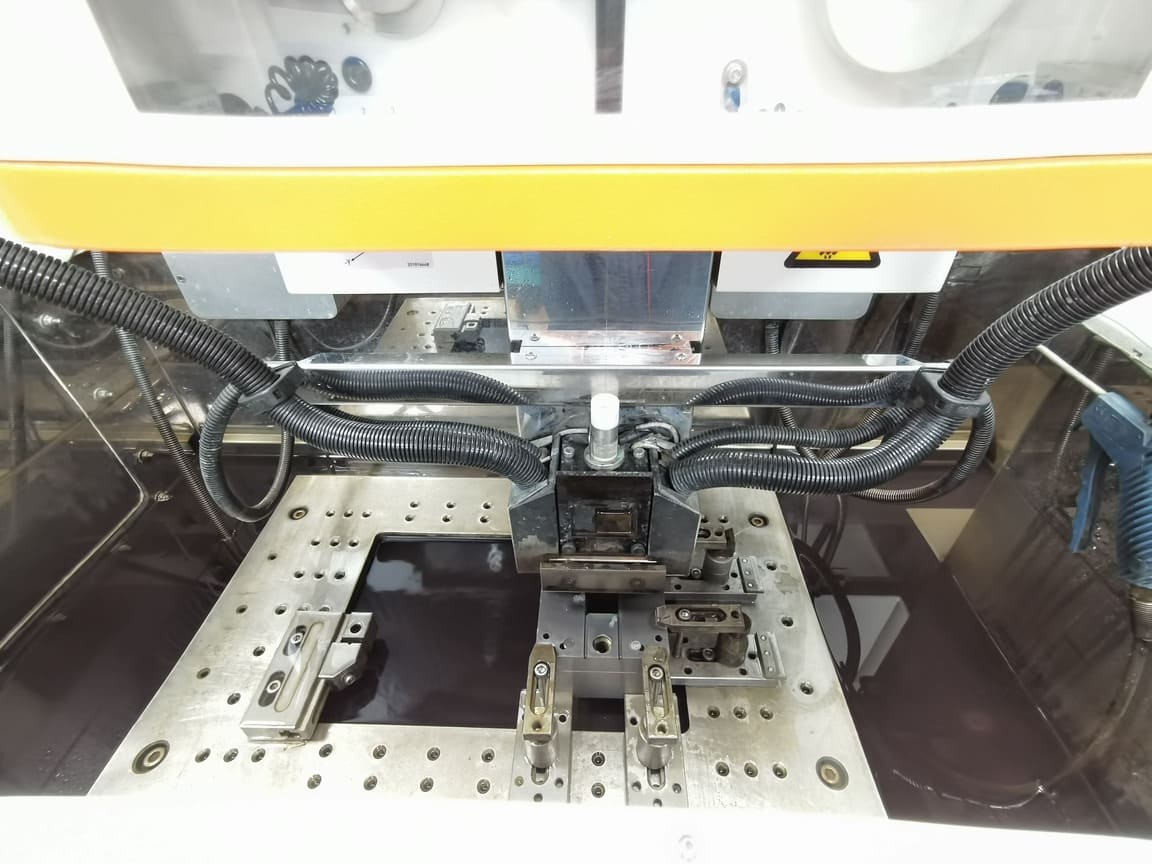
The foundation of error-free wire EDM starts with the wire itself. For hard, brittle tungsten carbide, avoid standard brass wires for fine finishing passes; instead, use stratified wires, coated wires, or high-tensile-strength molybdenum wires designed for hard-alloy machining. These wires maintain stable discharge energy, reduce wire vibration, and minimize lateral deflection—one of the top causes of unintended overcut in tight corners and complex curves.
Equally important is constant, precise wire tension. Fluctuating tension causes the wire to sway mid-cut, especially in deep or narrow kerfs common in complex tungsten carbide parts. Modern closed-loop tension systems maintain steady force throughout the cut, preventing the wire from drifting and creating oversized dimensions. For micro-complex shapes, set tension to the manufacturer's recommended range for hard materials, never exceeding safe limits to avoid wire breakage.
Fine-Tune Discharge Parameters (Pulse Settings) for Tungsten Carbide
EDM overcut is directly tied to uncontrolled spark energy and pulse duration. Tungsten carbide requires a low-erosion, high-precision parameter set—not the aggressive settings used for soft metals. Overly strong pulses create larger craters, widen the kerf, and push the wire off-path, resulting in consistent overcut across complex geometries.
To mitigate this:
• Use short pulse-on times and long pulse-off times for finishing passes, limiting spark size and heat input.
• Reduce peak current in semi-finishing and finishing stages to minimize thermal expansion and wire deflection.
• Program adaptive parameter control for corner and radius sections—complex tungsten carbide parts often have sharp internal corners and tight radii, where standard parameters cause excessive overcut. Corner slowdown and power reduction ensure the wire follows the exact toolpath without over-eroding.
Strict Toolpath Programming & Compensation Logic
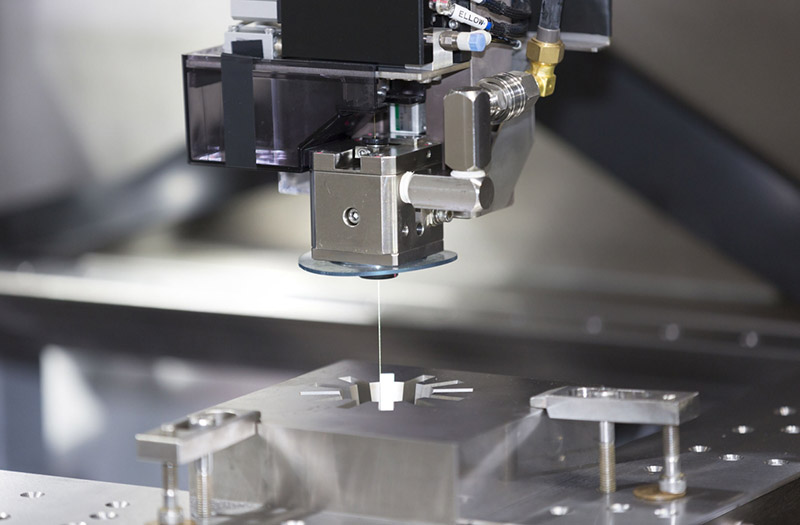
Poor CAM programming is a leading cause of overcut in complex shapes. For tungsten carbide components, wire radius compensation must be applied accurately, and toolpaths must account for kerf width specific to hard-material EDM. Generic compensation values designed for steel will fail on tungsten carbide, leading to consistent undersize or oversize cuts.
Additional best practices:
• Avoid sharp, sudden direction changes in the toolpath; use smooth transition arcs to reduce wire shake.
• Add multiple skim passes (2–4 passes minimum for complex profiles) instead of relying on a single cut—roughing removes bulk material, while successive skim passes correct dimensional drift and eliminate overcut entirely.
• Simulate the full toolpath in CAM software before cutting to detect collisions, path deviations, or compensation errors that could cause overcut in hard-to-reach features.
Stable Workholding & Vibration Damping
Tungsten carbide blanks are dense and rigid, but poor fixturing introduces movement or misalignment during cutting—even micrometers of shift translate to visible overcut in precision parts. Use custom, low-deformation workholding fixtures, and secure the blank evenly to avoid clamping stress that distorts the material or shifts position mid-process.
Vibration from the machine or surrounding environment also disrupts wire alignment. Isolate the EDM machine from floor vibration, and ensure the worktable, chuck, and wire guides are fully calibrated and rigid. For deep-profile complex parts, use support fixtures to prevent blank chatter, which is a hidden cause of uneven overcut along vertical or angled surfaces.
Accurate Machine Calibration & Maintenance
Even the best programming and parameters cannot overcome a poorly calibrated EDM machine. Regular calibration of wire guides, axis positioning, encoder feedback, and dielectric fluid flow is non-negotiable for tungsten carbide precision machining. Worn or misaligned wire guides cause the wire to run off-center, creating consistent overcut across all features—replace guides at recommended intervals and verify alignment daily for high-precision jobs.
Dielectric fluid quality also impacts cut stability. Clean, deionized dielectric fluid ensures stable, predictable sparks; contaminated fluid causes erratic discharges, widens the kerf unpredictably, and leads to random overcut in complex geometries. Maintain fluid conductivity levels and filtration efficiency to preserve process stability.
Thermal Stability Control
Tungsten carbide has low thermal conductivity, but EDM's localized heat can still cause minor thermal expansion—enough to create overcut in micron-tolerance complex parts. Maintain a consistent ambient temperature around the EDM machine, avoid drafty areas, and allow the blank to reach thermal equilibrium with the machine before cutting. For long-duration cuts on complex tungsten carbide shapes, program periodic pauses to dissipate residual heat and prevent dimensional drift.
Why Overcut Prevention Matters for Tungsten Carbide
Tungsten carbide is an expensive, high-performance material, and scrap parts directly impact production costs and lead times. Complex shapes demand absolute dimensional accuracy—often within ±0.002mm or tighter—leaving no room for overcutting. By following the steps above, fabricators can achieve repeatable, burr-free, precision cuts while maximizing material utilization and part integrity.
Partner with a Trusted Expert for Precision Wire EDM
Achieving perfect, overcut-free wire EDM for complex tungsten carbide shapes requires more than just technical know-how—it demands top-tier machinery, decades of processing experience, and an uncompromising focus on precision.
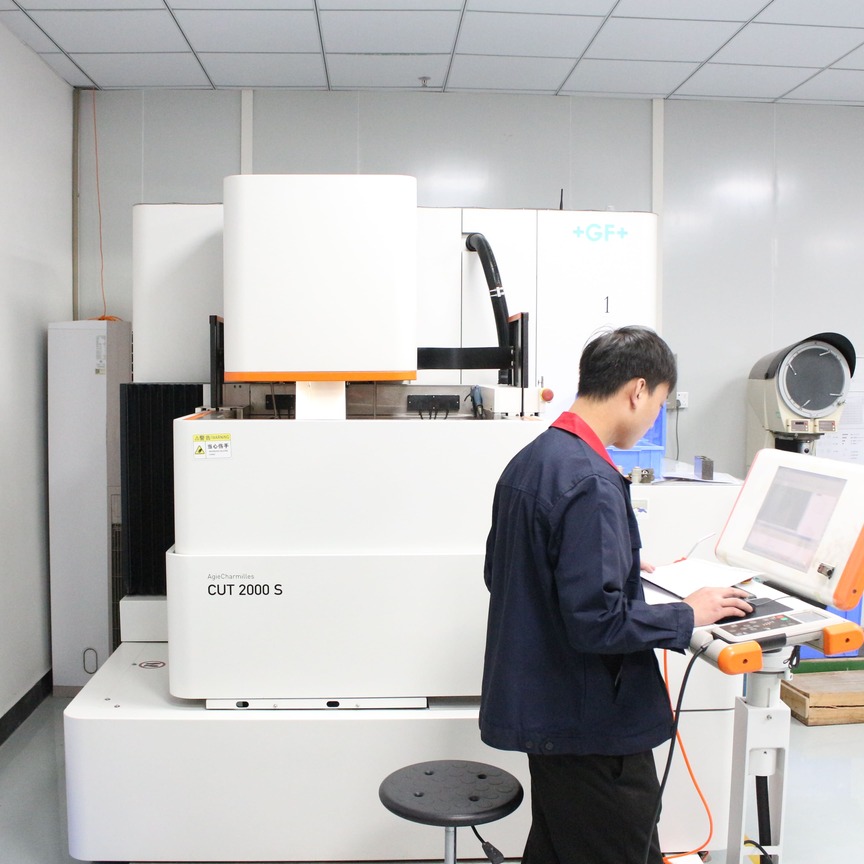
Hongyu Company specializes in high-precision wire EDM machining, with a core focus on complex tungsten carbide components and ultra-hard material processing. Equipped with advanced, fully automated wire EDM equipment(like AGIE CHARMILLES, Seibu and Sodic), closed-loop control systems, and professional technical teams, we deliver industry-leading dimensional accuracy, smooth surface finishes, and zero-defect processing for even the most intricate profiles. Our strict process control and dedicated focus on EDM optimization ensure zero overcutting, consistent quality, and reliable performance for every tungsten carbide part we produce.
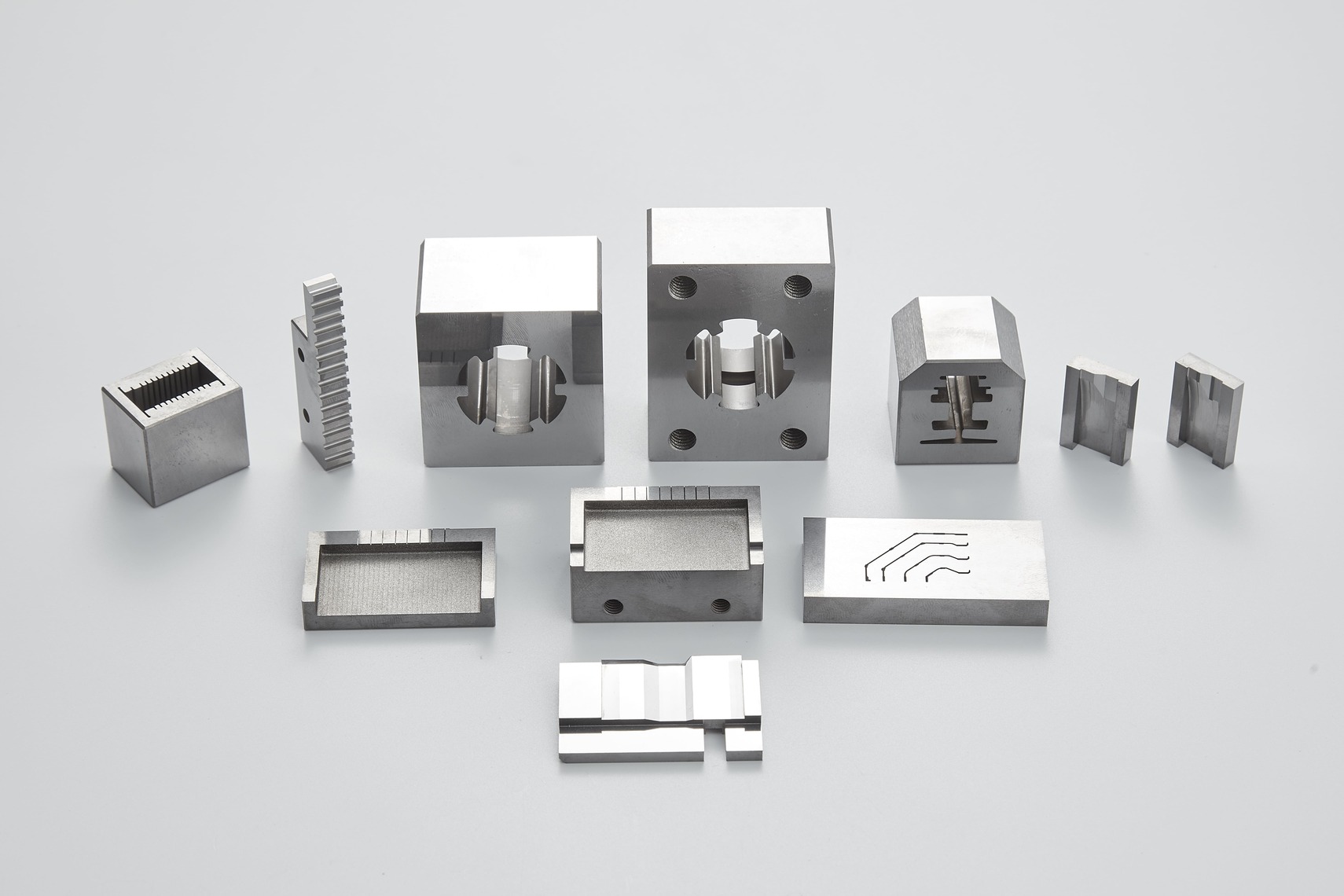
For all your precision wire EDM needs—from complex contours to micro-tolerance tungsten carbide components—Hongyu Company is your trusted partner for accuracy, efficiency, and excellence.You can send your product requirements to our email address chunhe@dghongyumold.com, and we will provide you with the most professional solution within 24 hours.


© 2026 © HONGYU MOULD LIMITED. All Rights Reserved.
 IPv6 network supported