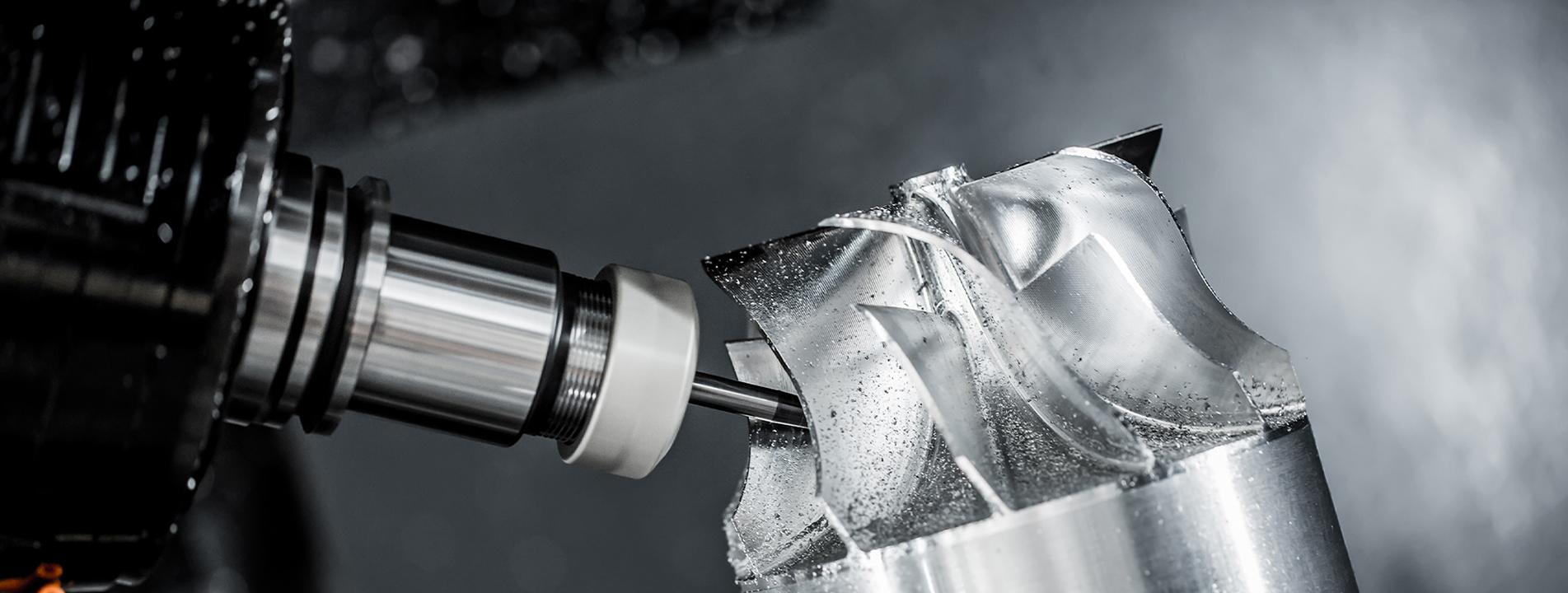
In precision mold making, heat treatment is not just about hardness—it directly defines dimensional stability, machinability, and final part accuracy. Even the best CNC machining will fail to hold tight tolerances if heat treatment induces unexpected distortion, residual stress, or uneven microstructure.
Mold steels such as P20, H13, SKD61, DC53, Cr12MoV rely on heat treatment to achieve:
· Sufficient hardness and wear resistance
· Strength under cyclic load and temperature
· Dimensional stability over millions of cycles
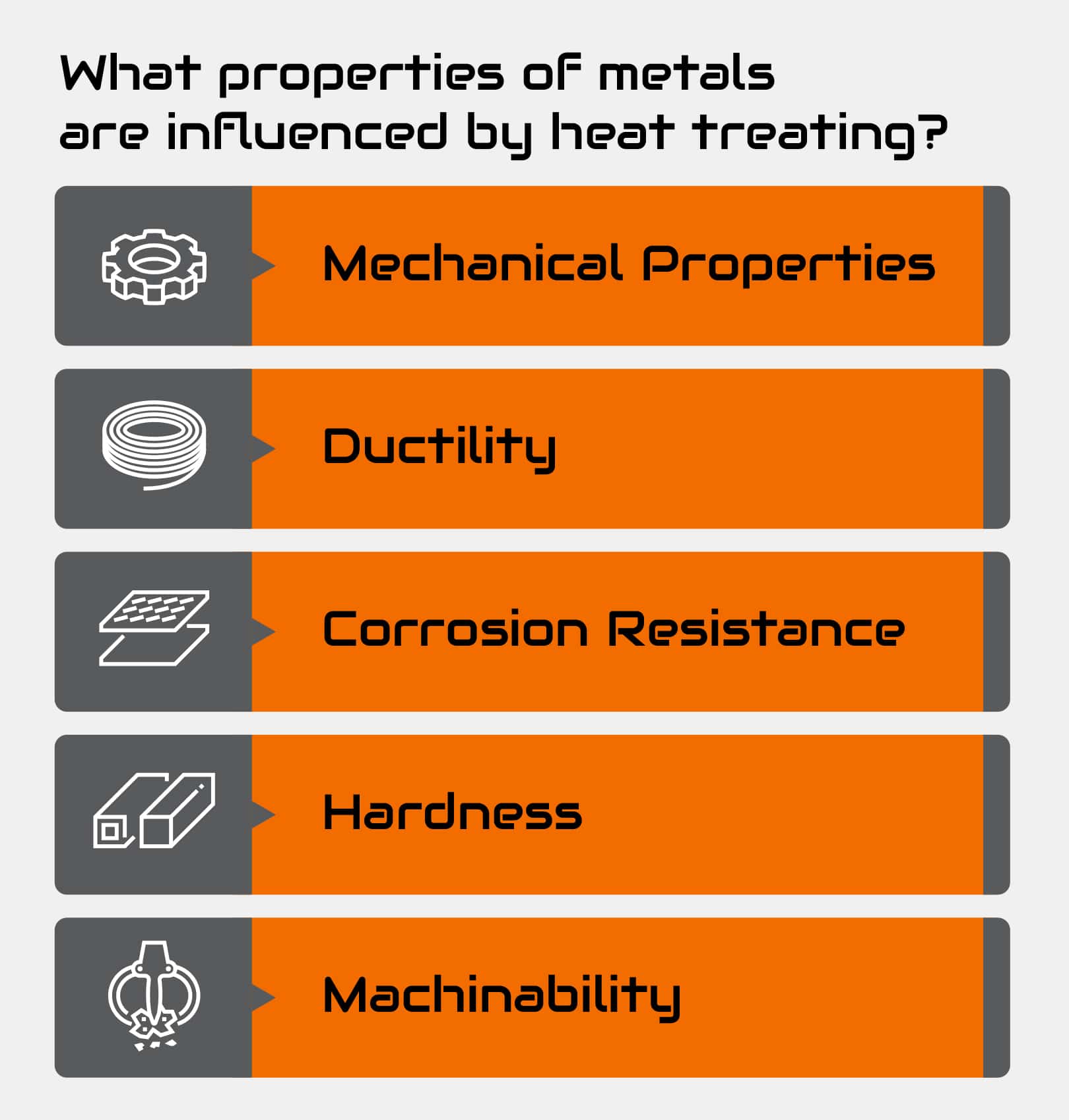
But these benefits come with physical changes that directly impact machining accuracy: volume change, phase transformation, thermal stress, and residual stress.
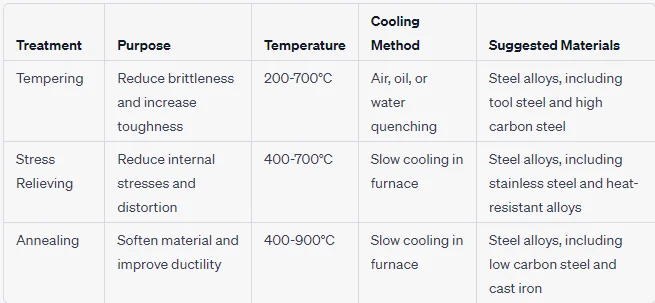
Phase transformations during quenching and tempering change the specific volume of steel.
· Parts may expand, shrink, bend, or twist
· Holes close, shafts grow, flat surfaces warp
· Typical distortion ranges: 0.05%–0.5% — enough to ruin precision fits
This is why high-precision mold parts are never finished to final size before heat treatment. A machining allowance (stock) must be reserved for post-heat-treatment finishing.
· Quenching creates extreme internal stress
· Stress relief is critical: untempered parts warp or crack during finish machining
· Residual stress also leads to in-service deformation, destroying long term precision
Best practice:
· Stress relieving after rough machining
· Full tempering immediately after quenching
Uneven heat treatment causes:
· Soft spots that lead to chatter, vibration, and poor surface finish
· Hard spots that wear tools quickly and break dimensional consistency
· Inconsistent EDM and polishing results
Uniform hardness = predictable machining = stable precision.
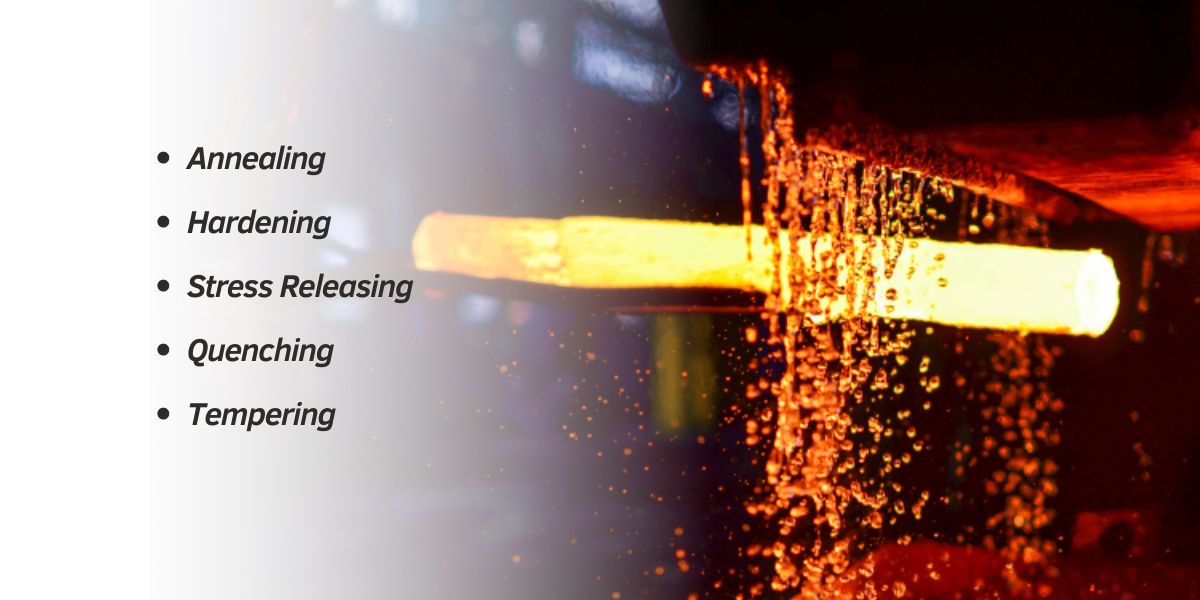
Follow this sequence to protect accuracy:
1. Stress relief after rough machining
2. Quench + prompt temper to stabilize structure
3. Semi-finish machining with small allowance
4. Optional cryogenic treatment for ultra-stability
5. Final finish machining to tight tolerances
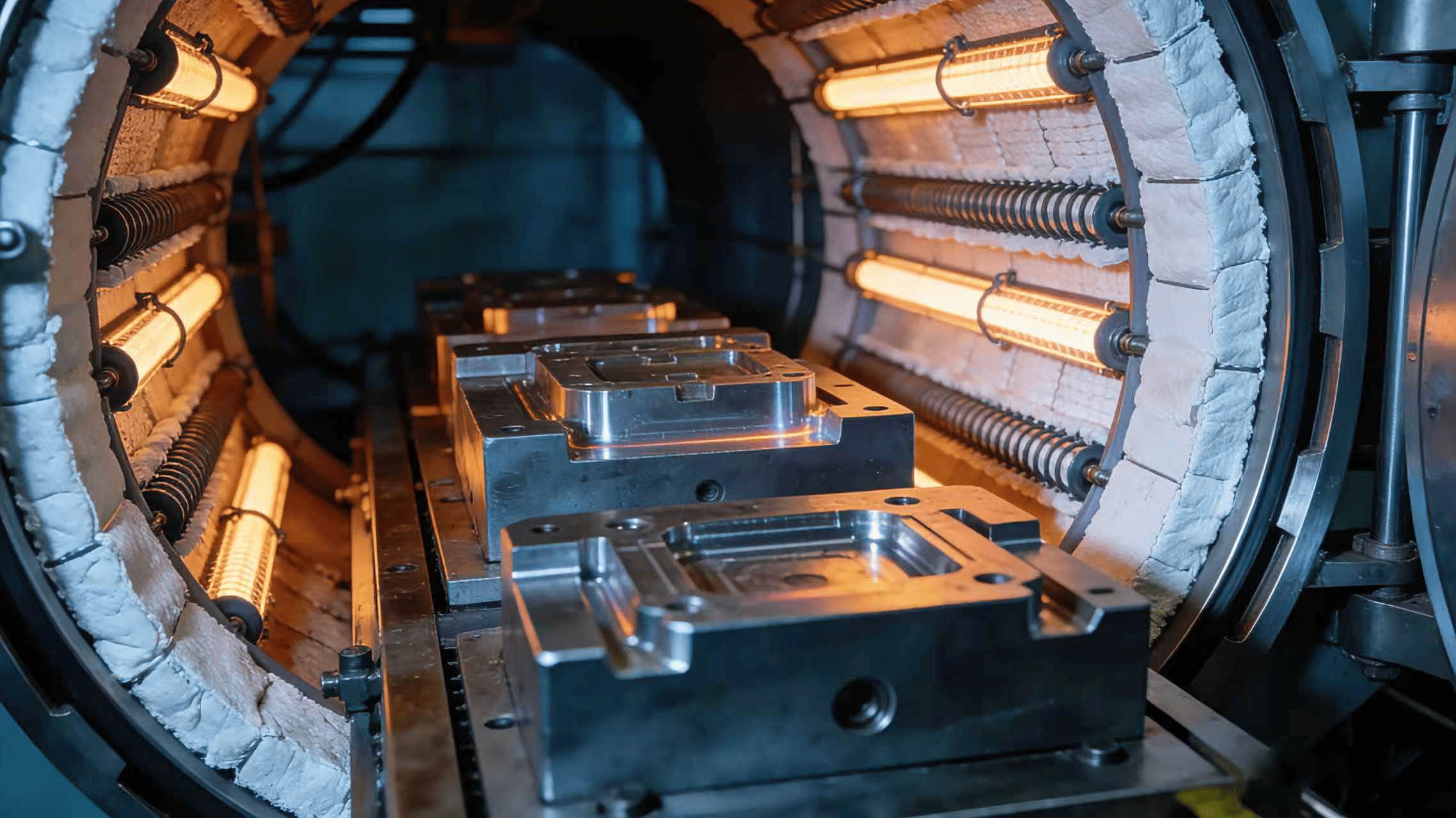
For ultra-precision molds, vacuum heat treatment is strongly recommended:
· Minimizes oxidation and decarburization
· Reduces distortion to <0.001 mm
· Preserves fine surface quality for finishing
· Pre-hardened steels (P20):Good stability, minimal in-process distortion
· Hot-work steels (H13, SKD61):Sensitive to cooling rate; use marquenching to reduce warpage
· High-chromium tool steels (DC53, Cr12MoV):High distortion risk; must use multiple tempers and slow cooling
Heat treatment is the foundation of precision in mold components. It does not just improve
performance—it determines whether your parts stay within tolerance during machining,
assembly, and use.
By controlling heating/cooling rates, reducing residual stress, using vacuum processes, and planning machining allowances, you can turn heat treatment from a risk into a precision advantage.
If you work with tight-tolerance mold bases, core pins, or inserts—never skip proper heat treatment planning.


© 2026 © HONGYU MOULD LIMITED. All Rights Reserved.
 IPv6 network supported