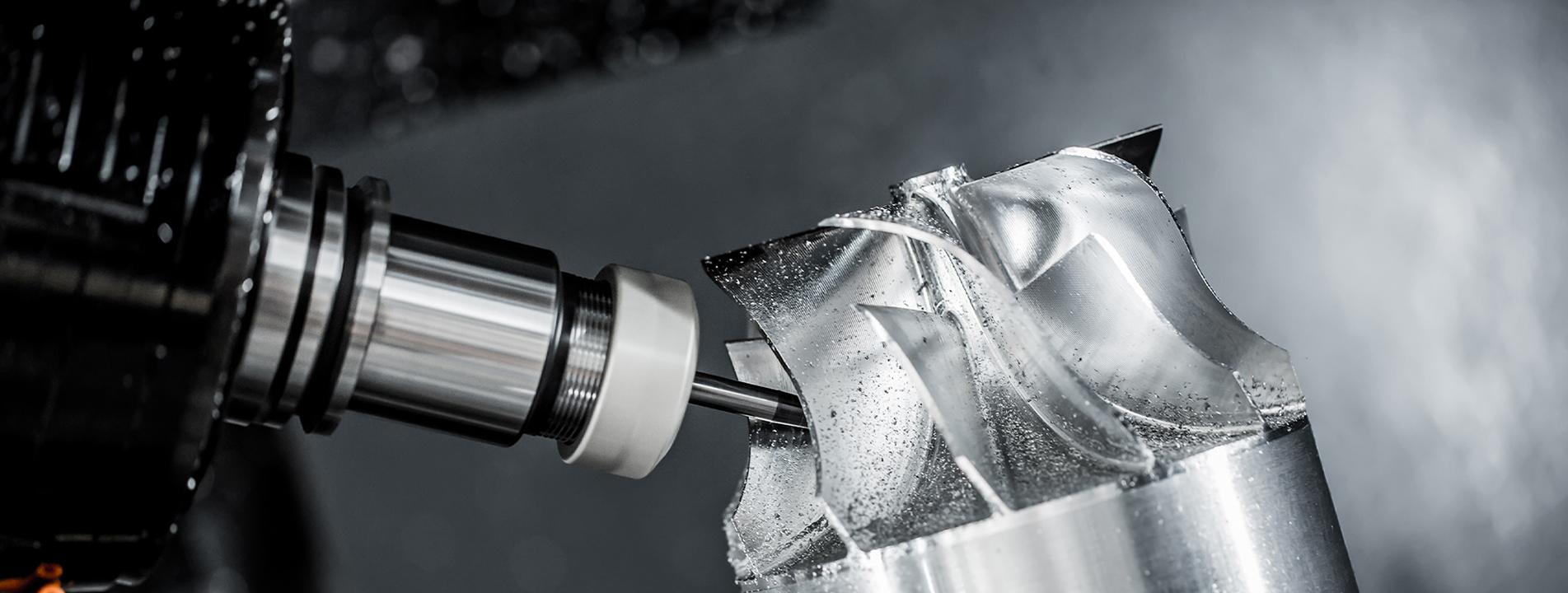
Hardware stamping dies are the essential tools in metal forming, with blanking dies, bending dies, and drawing dies being the most widely used types. Although all three belong to the stamping die category, they differ significantly in structural design, working principles, and application scenarios. Accurately distinguishing their characteristics is the key to ensuring stamping quality.
Blanking Die:
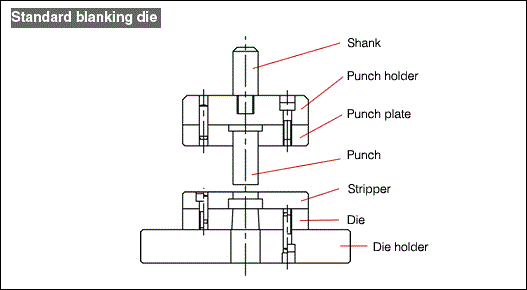
The primary function of a blanking die is to separate material, serving as a typical example of a shearing die. It is mainly used to obtain the external profile of a part and forms the basic operation die in stamping processes. The main components include the punch, die (matrix), stripper mechanism, and locating parts. The cutting edges of the punch and die must fit precisely, with strict clearance control to avoid material tearing or excessive burrs. In operation, the press drives the punch down to cut the material along a closed contour, separating it from the stock. The separated workpiece may be a finished part or semi-finished product, while scrap is discharged through the die. Blanking dies have relatively simple structures, often using guide posts and bushings for precision. They are widely used for manufacturing flat parts like shims and flanges, and are ideal for mass production.
Bending Die:
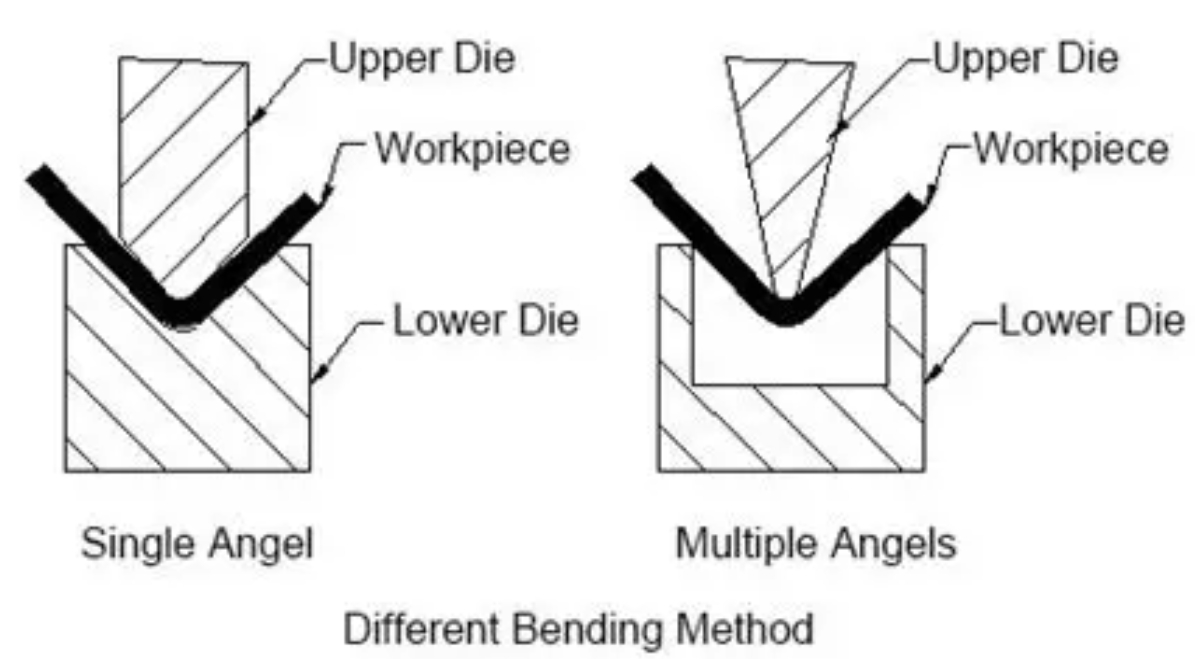
The core function of a bending die is to plastically deform sheet material, forming workpieces with specific angles and shapes. Its structure mainly consists of the punch (upper die) and the die (lower die). The punch tip profile determines the inner geometry of the bend, while the die usually features a V-groove to support the sheet and define the outer bend contour. Some dies are also equipped with positioning stops to ensure bending accuracy. During operation, the sheet is positioned between the punch and die; the punch then presses down, causing the sheet to bend along the desired line. By carefully controlling pressure and punch-die clearance, cracks or springback are avoided. Bending dies can be designed with various punch and die profiles to accommodate different shapes, and are commonly used for processing brackets, connectors, and other angled parts.
Drawing Die:
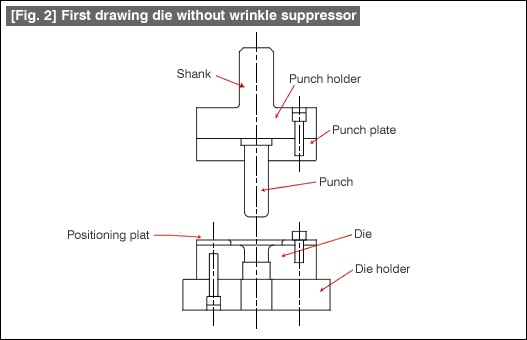
Drawing dies are used for forming flat blanks into open, hollow components, with the key being control of material flow to avoid wrinkling or cracking. In addition to the punch and die, drawing dies feature a critical component: the blank holder (binder). The blank holder applies uniform pressure to prevent edging from wrinkling during forming and ensures smooth material flow into the die cavity. During operation, the punch presses the blank into the die cavity, causing plastic deformation and forming the hollow part. Drawing dies place stringent requirements on punch and die radii, clearance, and blank holder force control. They are often used for processing hollow products such as stainless steel kitchenware and automotive components. Complex parts usually require multiple drawing steps.
Blanking dies focus on material separation;
Bending dies focus on angular plastic deformation;
Drawing dies focus on hollow deep drawing forming.
Each die type has a structure optimized for its core function and targeted application fields. Mastering these differences allows proper die selection, improves stamping efficiency and product consistency, and meets diversified processing demands of hardware stamped parts.
Our company specializes in manufacturing precision spare parts for all kinds of stamping dies, with over 19 years of professional experience in researching, developing and producing core components for blanking dies, bending dies and drawing dies. Over the past nearly two decades, we have focused on the core needs of stamping die manufacturing, focusing on key parts such as punch, die (matrix), stripper, blank holder, upper die, lower die and die cavity, and have accumulated rich technical experience and mature production processes. We adhere to the principle of "precision first, quality win", adopt advanced numerical control processing equipment and strict quality inspection systems, from raw material selection to finished product delivery, every link is strictly controlled to ensure that each component meets the high-precision requirements of stamping dies. Whether it is standard parts or customized components tailored to customer specific needs, we can provide reliable products and professional technical support. With our profound industry accumulation and customer-oriented service concept, we have won the trust and recognition of numerous stamping die manufacturers at home and abroad, and become a reliable partner for enterprises in the hardware stamping industry to improve production efficiency and product quality.


© 2026 © HONGYU MOULD LIMITED. All Rights Reserved.
 IPv6 network supported