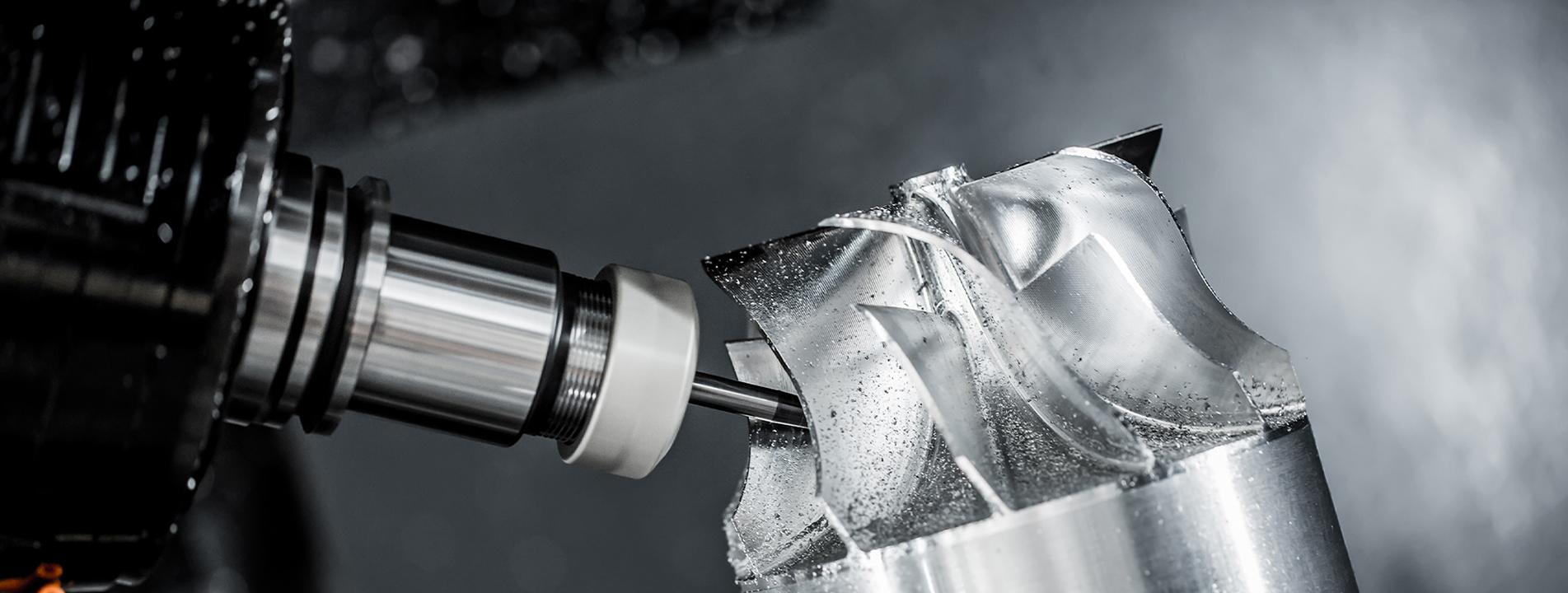
Why is Tungsten Carbide Prone to Cracking?
Tungsten carbide (hard alloy) is produced by sintering tungsten carbide powder with cobalt binder. Its hardness can reach HRA 89-93, but its elongation is extremely low—in simple terms, it’s “hard but brittle.”
Wire EDM and conventional EDM work by eroding metal with extremely high-temperature electrical sparks. The localized, instantaneous temperatures can reach thousands of degrees, then rapidly cool in the dielectric fluid—this heating and cooling cycle generates thermal stress. If parameters are off, micro-cracks develop on the surface. When the punch is later used in stamping, these cracks propagate under force, causing chipping or complete breakage. Therefore, the key issue with cutting tungsten carbide isn’t whether it can be cut, but how to control heat input and cooling rates.
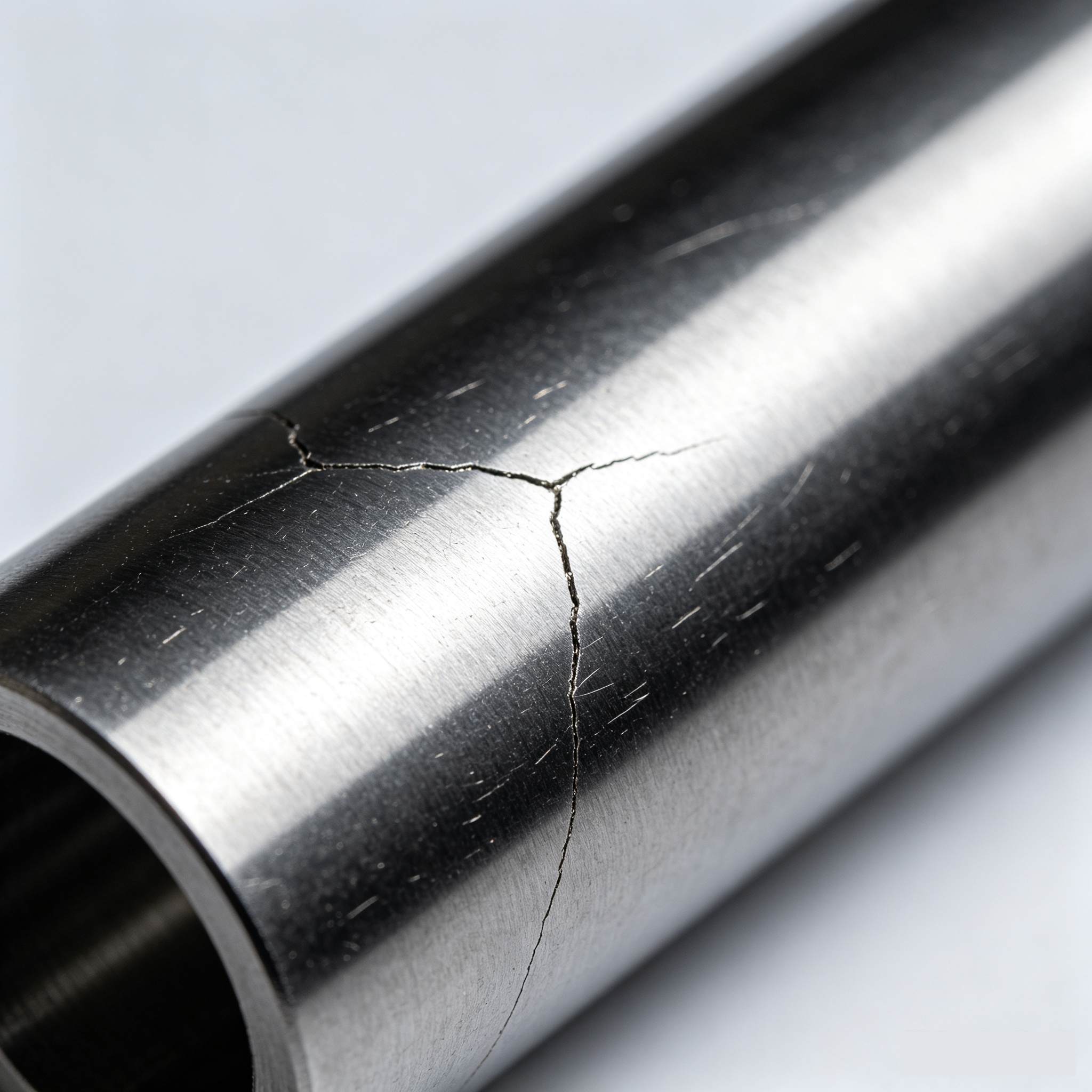
Wire EDM: Getting the Parameters Right is Paramount
We primarily use wire EDM for manufacturing tungsten carbide punches. The following parameters are non-negotiable:
Don’t Use Excessive Current
Many operators assume higher current means faster cutting. For tungsten carbide, higher current deepens the heat-affected zone and thickens the “white layer” (recast layer). This layer is a breeding ground for cracks.
Our approach: Use moderate current for rough cutting. For finishing, drop the current to a third (or lower) of the roughing value. It is better to make an additional pass than to cut fast and risk thermal cracking.
Keep Pulse Width Short
Longer pulse widths mean higher energy per pulse and faster erosion, but also more damage. We typically control pulse widths between 2–6 microseconds and use sub-2-microseconds for finishing.
Monitor Dielectric Resistivity
If the deionized water’s resistivity is too low, arcing can occur, damaging the work surface. We keep resistivity at 10–15 kΩ·cm; this is checked every shift and the resin is replaced as needed.
Maintain Stable Wire Speed
Too fast and the wire may snap; too slow and chip evacuation suffers. We set speeds between 4–6 m/min, based on wire size and part thickness, ensuring effective flushing without vibration.
Use Multiple Passes as Standard
We always run at least three passes on tungsten carbide punches: rough → finish 1 → finish 2. Cutting energy is reduced with each pass; the final pass is like a gentle “sweep,” producing a near-invisible white layer and an Ra better than 0.8μm.
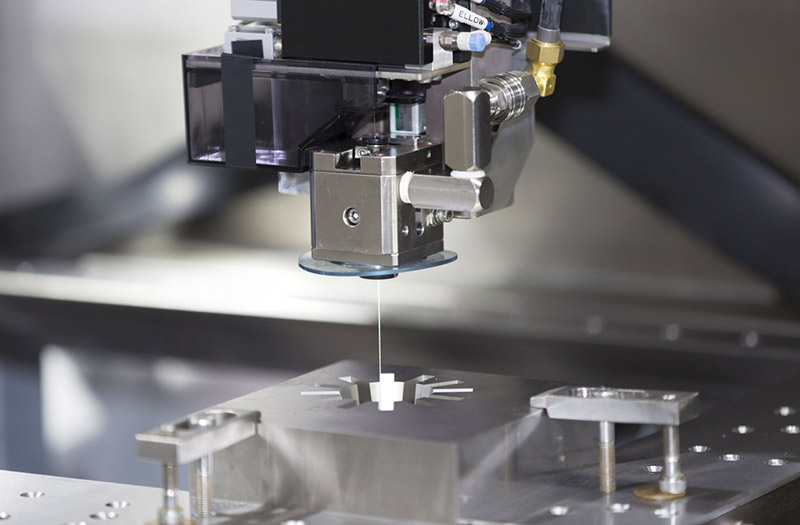
EDM Drilling: Small Holes are the Most Challenging
Punches may need oil holes or vent holes as small as 0.3 mm—a job for EDM drilling.
The biggest challenge here is chip removal. If debris isn’t flushed, it causes repeated discharge on the hole wall, leading to surface burns or, in severe cases, outright cracking.
Our best practices:
Use straight copper tube electrodes—bent tubes will wander and burn the hole wall.
Ensure sufficient flushing pressure so debris is pushed out effectively.
Don’t feed too quickly; at the first sign of short-circuiting, retract immediately—never force the electrode.
Post-EDM: What Comes Next?
Cutting is not the end. Two steps are critical after machining:
Inspect the White Layer
We use a magnifier or metallographic microscope to check the edge; if the white layer is visible, we gently polish it off with fine sandpaper. Leaving the recast layer is a hidden trouble for future chipping.
Stress Relieving (Low-Temperature Tempering)
Tungsten carbide punches may retain residual stresses after cutting. If possible, we perform a low-temperature tempering (180–220°C) to effectively release internal stress and stabilize dimensions.
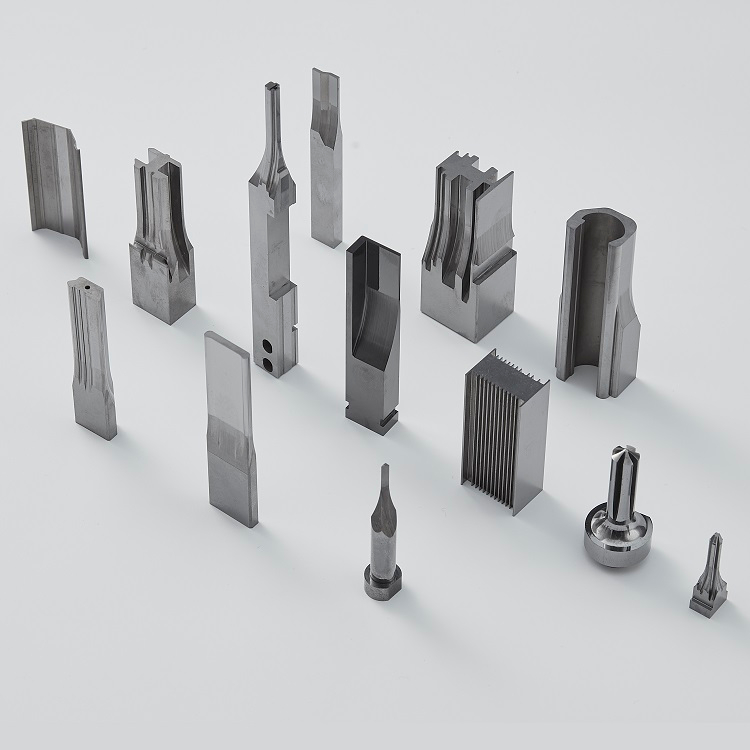
Summary
To “cut” tungsten carbide punches without cracking, it really comes down to three points:
Don’t use excessive current; use more finish passes.
Ensure effective cooling (flushing) and chip removal.
Don’t use the punch straight after machining—inspect the white layer and relieve stress.
This is how we do it at our workshop. Clients call our punches durable and resilient—not because of any “secret trick,” but because we carefully control every process detail.
If you’re struggling with the yield of tungsten carbide punches, let’s discuss—no need for business, sometimes exchanging experience is priceless.


© 2026 © HONGYU MOULD LIMITED. All Rights Reserved.
 IPv6 network supported