banner
  • How to Cut Tungsten Carbide Punches Without Cracking
    How to Cut Tungsten Carbide Punches Without Cracking Jun 26, 2026
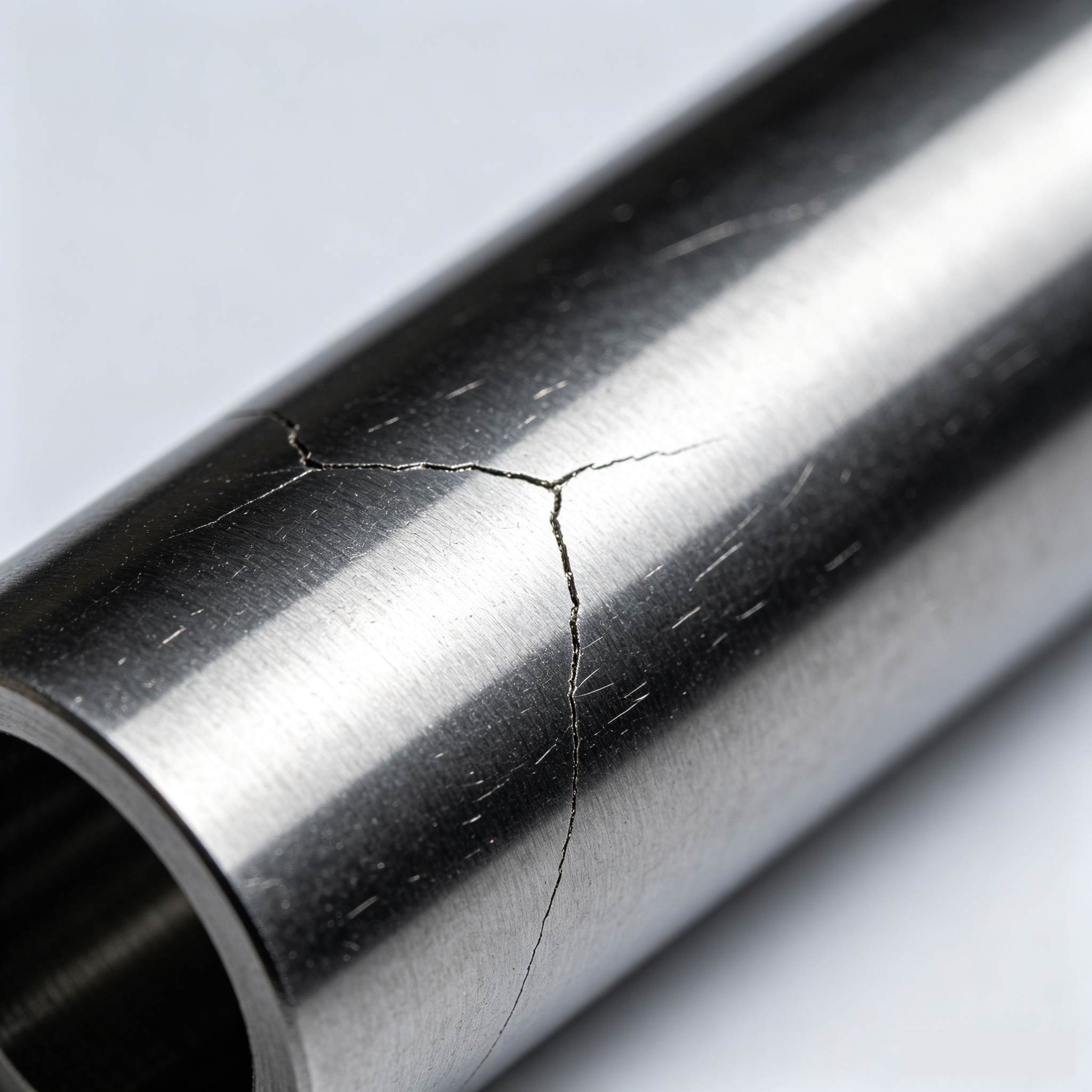
    Why is Tungsten Carbide Prone to Cracking?       Tungsten carbide (hard alloy) is produced by sintering tungsten carbide powder with cobalt binder. Its hardness can reach HRA 89-93, but its elongation is extremely low—in simple terms, it’s “hard but brittle.”     Wire EDM and conventional EDM work by eroding metal with extremely high-temperature electrical sparks. The localized, instantaneous temperatures can reach thousands of degrees, then rapidly cool in the dielectric fluid—this heating and cooling cycle generates thermal stress. If parameters are off, micro-cracks develop on the surface. When the punch is later used in stamping, these cracks propagate under force, causing chipping or complete breakage. Therefore, the key issue with cutting tungsten carbide isn’t whether it can be cut, but how to control heat input and cooling rates.      Wire EDM: Getting the Parameters Right is Paramount     We primarily use wire EDM for manufacturing tungsten carbide punches. The following parameters are non-negotiable:   Don’t Use Excessive Current     Many operators assume higher current means faster cutting. For tungsten carbide, higher current deepens the heat-affected zone and thickens the “white layer” (recast layer). This layer is a breeding ground for cracks.     Our approach: Use moderate current for rough cutting. For finishing, drop the current to a third (or lower) of the roughing value. It is better to make an additional pass than to cut fast and risk thermal cracking.   Keep Pulse Width Short     Longer pulse widths mean higher energy per pulse and faster erosion, but also more damage. We typically control pulse widths between 2–6 microseconds and use sub-2-microseconds for finishing.   Monitor Dielectric Resistivity     If the deionized water’s resistivity is too low, arcing can occur, damaging the work surface. We keep resistivity at 10–15 kΩ·cm; this is checked every shift and the resin is replaced as needed.   Maintain Stable Wire Speed     Too fast and the wire may snap; too slow and chip evacuation suffers. We set speeds between 4–6 m/min, based on wire size and part thickness, ensuring effective flushing without vibration.   Use Multiple Passes as Standard     We always run at least three passes on tungsten carbide punches: rough → finish 1 → finish 2. Cutting energy is reduced with each pass; the final pass is like a gentle “sweep,” producing a near-invisible white layer and an Ra better than 0.8μm.     EDM Drilling: Small Holes are the Most Challenging     Punches may need oil holes or vent holes as small as 0.3 mm—a job for EDM drilling.   The biggest challenge here is chip removal. If debris isn’t flushed, it causes repeated discharge on the hole wall, leading to surface burns or, in severe cases, outright cracking.   Our best practices:   Use straight copper tube electrodes—bent tubes will wander and burn the hole wall. Ensure sufficient flushing pressure so debris is pushed out effectively. Don’t feed too quickly; at the first sign of short-circuiting, retract immediately—never force the electrode.   Post-EDM: What Comes Next?     Cutting is not the end. Two steps are critical after machining:   Inspect the White Layer     We use a magnifier or metallographic microscope to check the edge; if the white layer is visible, we gently polish it off with fine sandpaper. Leaving the recast layer is a hidden trouble for future chipping.   Stress Relieving (Low-Temperature Tempering)     Tungsten carbide punches may retain residual stresses after cutting. If possible, we perform a low-temperature tempering (180–220°C) to effectively release internal stress and stabilize dimensions.     Summary     To “cut” tungsten carbide punches without cracking, it really comes down to three points: Don’t use excessive current; use more finish passes. Ensure effective cooling (flushing) and chip removal. Don’t use the punch straight after machining—inspect the white layer and relieve stress.   This is how we do it at our workshop. Clients call our punches durable and resilient—not because of any “secret trick,” but because we carefully control every process detail.   If you’re struggling with the yield of tungsten carbide punches, let’s discuss—no need for business, sometimes exchanging experience is priceless.
  • When to Replace or Regrind Stamping Tooling: A Practical Guide for Die Maintenance
    When to Replace or Regrind Stamping Tooling: A Practical Guide for Die Maintenance Jun 17, 2026
    In the world of metal stamping, tooling wear is inevitable. But knowing exactly when to replace a punch or regrind a cutting edge can mean the difference between high-quality output and costly downtime.   When to Replace a Punch Punches are among the most stressed components in a stamping die. Here are the critical signs that it's time for replacement:   Visible Wear or Chipping Inspect the punch tip regularly. If you notice: Rounded or dull cutting edges Small chips or cracks on the surface Uneven wear patterns Replace immediately. Continuing to use a chipped punch can damage the die button and produce burrs on your parts.   Excessive Burr Height Burr height is one of the most reliable indicators. Measure burrs periodically: Acceptable: Less than 10% of material thickness Warning: 10–15% — plan for replacement soon Critical: Over 15% — replace immediately   Dimensional Drift If stamped parts begin to fall outside tolerance, even after adjusting the press parameters, the punch may be worn beyond its useful life.   Increased Punching Force A sudden or gradual increase in press tonnage often indicates that the punch is dull and requires more force to shear through the material.   Surface Finish Degradation When the sheared edge becomes rough, torn, or shows excessive rollover, it's time to evaluate punch condition. General Rule of Thumb For standard tool steels punching mild steel (up to 3mm thick), expect a typical punch life of: 50,000 – 200,000 strokes​ before resharpening Replacement after 3–5 regrinds, or when the punch length is reduced by 20%   When to Regrind Cutting Edges Regrinding restores sharpness without replacing the entire tool. Proper timing maximizes tool life while maintaining quality.   Key Indicators for Regrinding   1. Burr Threshold Exceeded As mentioned above, once burr height reaches 10–15% of material thickness, schedule a regrind. Do not wait until it hits the critical zone.   2. Edge Radius Increase Use an optical comparator or microscope. If the cutting edge radius exceeds 0.05–0.10 mm, regrinding is overdue.   3. Galling or Pick-Up When material starts sticking to the punch or die surface, it indicates micro-welding due to heat and friction. Regrinding removes the damaged surface layer.   4. Sound and Vibration Changes Experienced operators often hear when a die is dull. A change from a clean "snap" to a dull "thud" or increased vibration signals the need for maintenance.   5. Consistent Production Counts Many shops adopt a preventive approach: Regrind every 50,000 – 100,000 strokes​ depending on material type and thickness Track actual performance and adjust intervals accordingly   Recommended Regrind Amount Remove only 0.05 – 0.15 mm​ per regrind Avoid removing too much material at once, as this generates heat and can soften the tool steel Best Practices for Maximizing Tool Life Practice Benefit Use proper lubrication Reduces friction and heat buildup Maintain correct clearance Prevents excessive wear and chipping Align punches precisely Eliminates uneven loading Store tools properly Prevents corrosion and accidental damage Keep detailed maintenance logs Enables data-driven replacement decisions   The decision to replace a punch or regrind a cutting edge should never be based on guesswork. By monitoring burr height, dimensional accuracy, edge condition, and production counts, you can implement a predictive maintenance strategy that reduces unplanned downtime and extends tool life.A well-maintained die is a profitable die.    
  • How Overseas Clients Can Reliably Choose Precision Stamping Mold Parts Suppliers
    How Overseas Clients Can Reliably Choose Precision Stamping Mold Parts Suppliers May 14, 2026
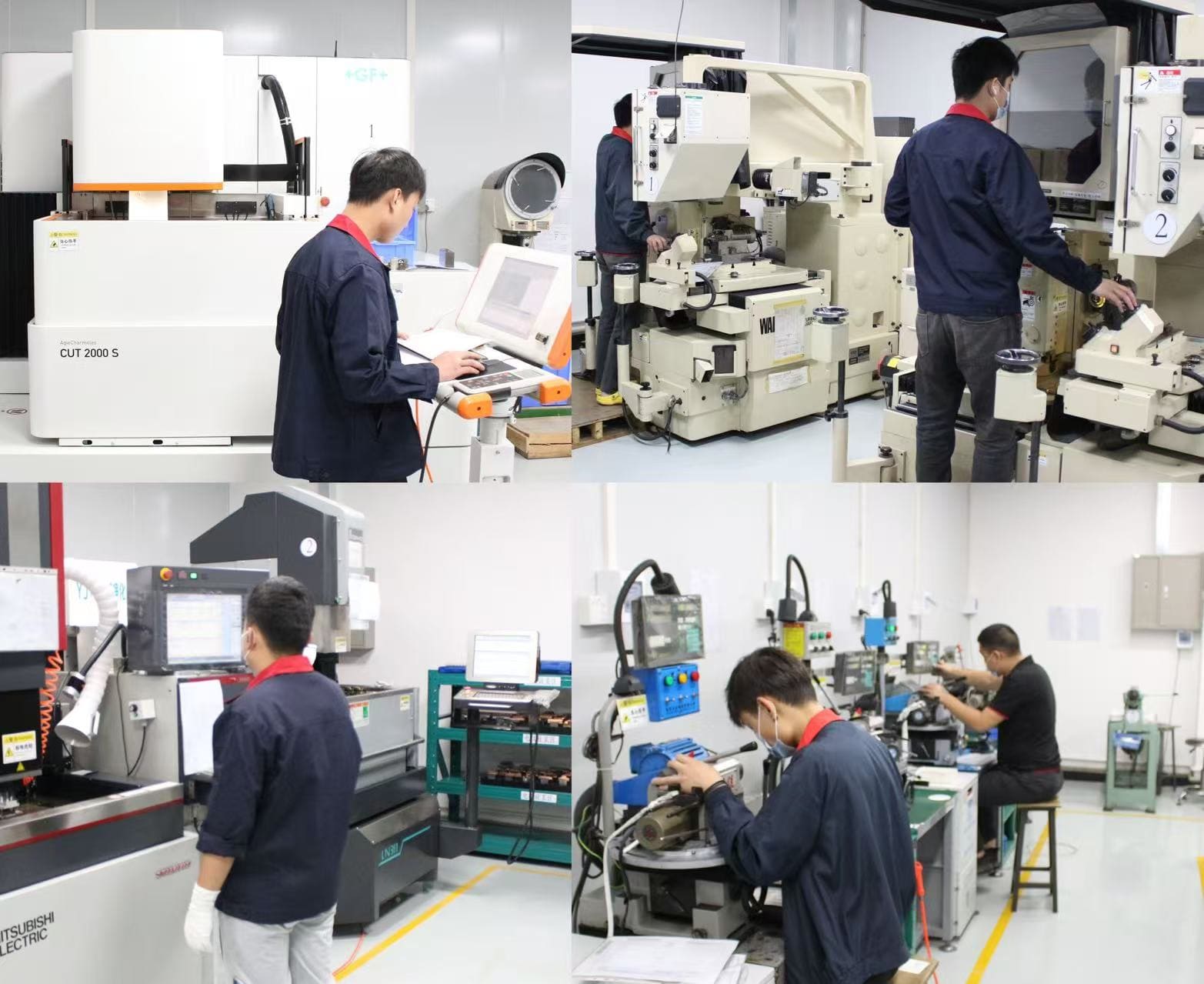
    Precision stamping mold parts—punches, dies, guide pillars, guide bushes, ejector pins—are core to stamping molds, supporting automotive, new energy, consumer electronics and humanoid robots. For overseas clients, choosing a reliable supplier is a strategic investment impacting mold performance, service life, efficiency, and supply chain stability. With numerous options, especially from China, we outline below the key criteria to consider when making an informed decision. Define Your Exact Mold Parts Requirements Clarify your mold parts needs first to avoid miscommunication and delays. Ask these questions: • Precision & Tolerance: Do you need micro-precision for high-end parts (e.g., robot mold punches) or standard precision? Document tolerances, surface roughness, and formability.   • Materials: What materials do your mold parts need? Options include high-hardness mold steel (ASP23,SKH51, or domestic SKD11/1.2344 alternatives) or wear-resistant tungsten carbide. Ensure the supplier handles your mold’s working conditions.   • Scale & Lead Time: What’s your annual usage and order volume? High-volume or small-batch custom parts? Clarify lead times for custom components.   • Value-Added Services: Need heat treatment, surface coating, grinding, or deburring? A one-stop supplier simplifies procurement.   The Foundation of Reliable Mold Parts A supplier’s technical capabilities determine mold parts quality and durability. Verify these: a. Equipment & In-House Processing Choose suppliers with advanced mold processing equipment (high-precision CNC, wire-cutting, EDM, grinding) and in-house capabilities for tighter tolerances and faster lead times. Request facility photos and equipment updates. b. Engineering & DFM Expertise A reliable supplier offers DFM expertise for mold parts to optimize designs, reduce scrap, and extend service life. Prototyping and simulation refine designs before mass production, saving time and money.   For complex parts (e.g., EV battery shell mold dies), ask about experience solving wear or fit issues. c. Quality Control & Certifications Prioritize ISO 9001/IATF 16949 certified suppliers for consistent quality and traceability. Inquire about inspection processes (AI visual, CMM) and ability to provide reports and material certificates. Evaluate Industry Experience & Reputation Industry-specific mold parts experience is critical. For example, new energy automotive expertise means understanding motor core die inserts and battery shell mold punches.   • Case Studies & References: Ask for industry-related case studies and overseas client references to verify reliability.   • Reputation: Research global standing via forums; avoid suppliers with quality complaints or delays. Assess Supply Chain & Logistics For overseas clients, supply chain stability and logistics are key. A reliable supplier has a robust chain to avoid delivery delays.   • Material Sourcing: Inquire about material suppliers and backups.   • Logistics & Compliance: Ensure international shipping experience for mold parts, handling customs and regulations. Ask about shipping partners and delay management.   • Scalability: Choose a supplier that scales production to meet growing demand without sacrificing quality.   Prioritize Communication & After-Sales Support Effective communication is vital—look for a dedicated English-speaking international team to overcome language/time zone barriers.   After-sales support matters: ensure timely technical help, spare parts, and maintenance advice. Ask about warranty for non-conforming parts. Compare Cost Wisely: Focus on TCO Cheap mold parts may raise long-term costs (replacement, downtime). Focus on Total Cost of Ownership (TCO): • Initial purchase price • Quality costs (defects, rework, downtime) • Lead time and logistics costs • Maintenance and replacement costs A slightly higher upfront price often lowers TCO via better quality and longer service life. Choose a Partner for Precision Mold Parts Selecting a reliable supplier impacts mold performance. Define needs, verify capabilities, evaluate experience, and focus on TCO to find an aligned partner.   The best supplier acts as your team extension—offering expertise, quality, and support. Research thoroughly for a long-term partnership. Your Trusted Partner: Hongyu Precision Stamping Mold Parts Dongguan Hongyu Mould Co., Ltd. has been rooted in the field of precision mold parts manufacturing since 2007, focusing on high-end markets such as Germany and Japan for more than 19 years. The company mainly engages in high-precision mold accessories, including stamping mold parts, tungsten carbideparts, ceramic parts, etc., whose products are widely used in key fields such as automotive, IC semiconductor, electronics, aviation, home furnishing, and mineral resources.   The company is equipped with advanced production and testing equipment, and has established a strict quality control system, which comprehensively controls the whole process from raw materials, precision processing to finished product testing to ensure the precision and stable quality of products. The team has both industry technical accumulation and rich foreign trade service experience, deeply understands international market demand and industry standards, and can provide one-stop supporting services according to customers' customized needs, efficiently responding to delivery and after-sales demands.   Upholding the business philosophy of professionalism, integrity and win-win, the company continues to deepen technological innovation and service optimization. Its products are exported to many countries and regions around the world, and it has established long-term and stable cooperative relations with many industry customers. In the future, it will continue to take technology as the foundation and customers as the center, and strive to become a reliable partner in the global hardware mold parts processing field, providing solid component support for the development of the industrial manufacturing field.  
Need Help? Chat with us

leave a message
For any request of information or technical support, fill in the form. All fields marked with an asterisk* are required.
Submit
Looking for FAQs?
Contact us #
+86 769 832011519

Our hours

Mon 11/21 - Wed 11/23: 9 AM - 8 PM
Thu 11/24: closed - Happy Thanksgiving!
Fri 11/25: 8 AM - 10 PM
Sat 11/26 - Sun 11/27: 10 AM - 9 PM
(all hours are Eastern Time)

home

products

whatsApp

Contacts