Key Factors Affecting the Precision of Stamping Mold Components Machining
Dec 31, 2025
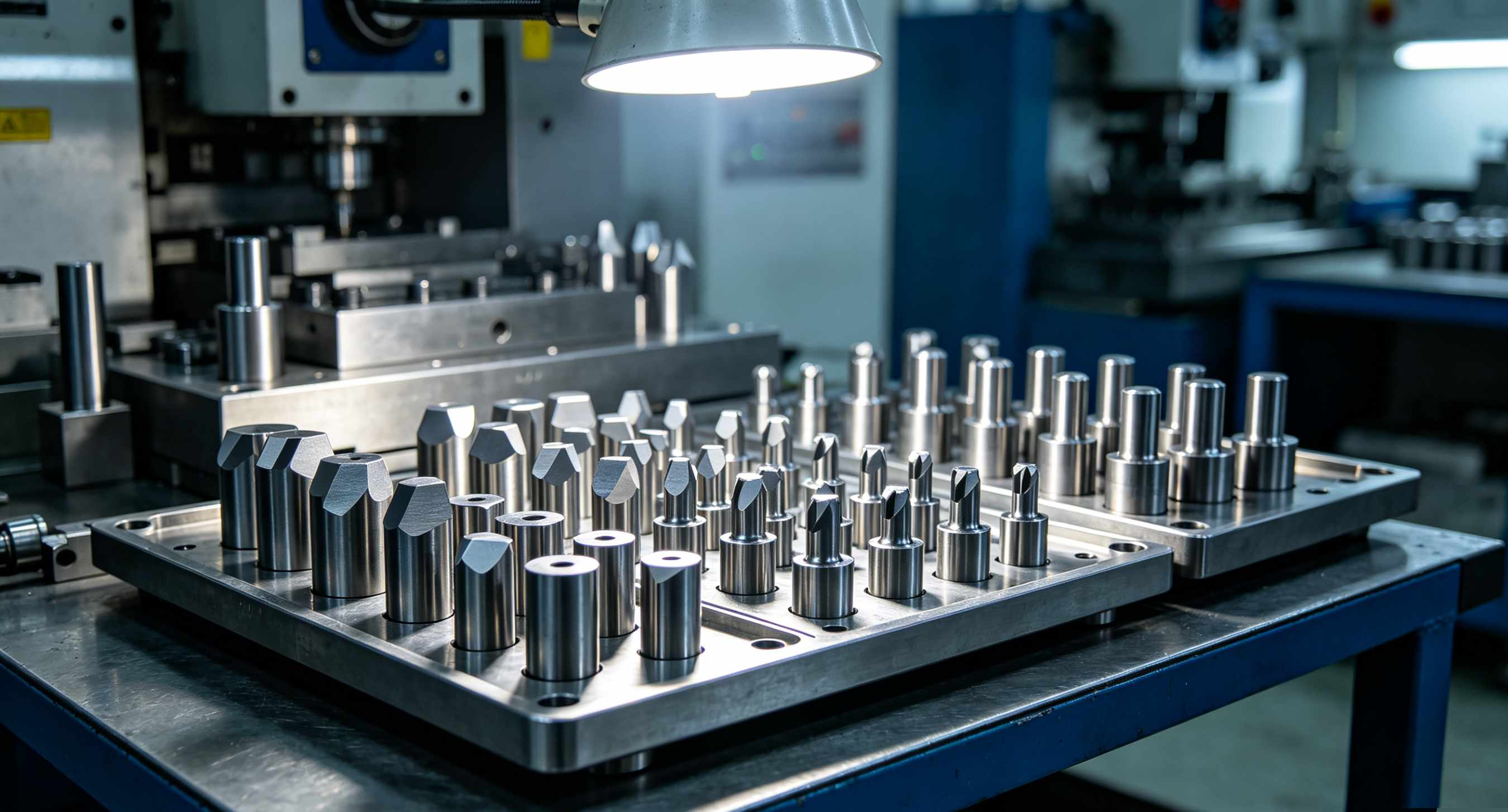
In the precision manufacturing industry, stamping mold components are the core of high-quality, high-efficiency mass production, widely used in automotive, electronics, aerospace and hardware fields. The machining precision of these components directly determines the dimensional accuracy, surface quality of stamped products and the service life of molds. Even tiny errors can lead to defective products, increased production costs and reduced production efficiency.
First and foremost, material selection is the foundational factor affecting machining precision. Stamping mold components often bear high impact, friction and extrusion during use, so the material’s physical and chemical properties directly influence machining stability and final precision. High-quality materials with uniform composition, stable hardness and good machinability (such as tungsten carbide, high-speed steel and alloy steel) can reduce deformation and errors during cutting, grinding and other processes. In contrast, materials with impurities, uneven hardness or poor toughness are prone to warping, cracking or edge collapse in machining, leading to reduced precision. For high-precision stamping scenarios, selecting premium materials with consistent performance is the first step to ensure machining precision.
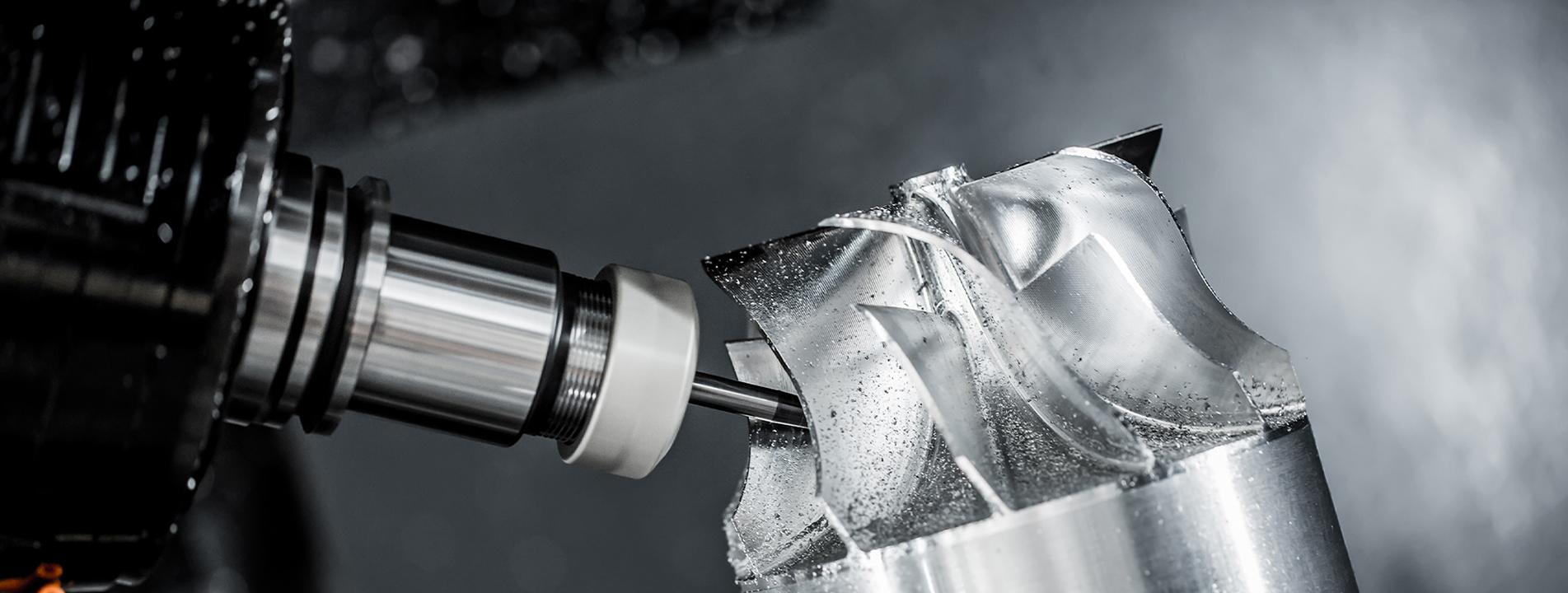
Secondly, machining equipment and tooling accuracy is a core guarantee for stamping mold components precision. Precision machining of mold components relies on high-performance CNC machine tools, grinders, EDM machines and other equipment. The running accuracy of equipment (including positioning accuracy, repeat positioning accuracy and spindle rotation accuracy) directly affects the dimensional tolerance and shape accuracy of workpieces. Outdated or uncalibrated equipment will accumulate errors during long-term operation, resulting in substandard component precision. Meanwhile, the quality of cutting tools and grinding wheels is equally critical—sharp, wear-resistant and high-precision tools can ensure smooth cutting, reduce tool wear-induced errors and improve surface finish. Regular maintenance, calibration of equipment and replacement of worn tools are essential to maintain stable machining precision.
Thirdly, machining process and parameter setting is a key link that cannot be ignored. Reasonable process planning can avoid cumulative errors caused by improper operation sequences. For example, rough machining and finish machining are separated to reduce the impact of machining stress and thermal deformation on precision; multi-step machining with small cutting amounts is adopted for high-hardness materials to ensure dimensional stability. In addition, rational setting of machining parameters (cutting speed, feed rate, cutting depth) is vital. Excessively high cutting speed or feed rate will generate excessive cutting heat, leading to workpiece thermal deformation; overly large cutting depth may cause tool vibration, resulting in surface roughness and dimensional errors. Adjusting machining parameters according to material properties and component structures can effectively improve machining precision.
Fourthly, machining stress and thermal deformation are important hidden factors affecting precision. During the machining process, cutting force and cutting heat will cause internal stress and thermal expansion of the workpiece, leading to subtle deformation. For thin-walled, small-sized or high-precision stamping mold components, such deformation is more obvious and will affect the final precision after cooling or stress release. Adopting stress relief treatments (such as annealing) before machining, using cooling lubricants during machining to reduce cutting heat, and arranging sufficient cooling time after machining can effectively reduce the impact of stress and thermal deformation, ensuring component precision stability.
Fifthly, full-process quality control and testing methods are the final barrier to ensure precision. Precision control cannot be separated from strict inspection throughout the whole process, from raw material screening to semi-finished product machining and finished product delivery. Using high-precision testing equipment (such as coordinate measuring machines, hardness testers and surface roughness meters) to conduct multi-dimensional detection on components can timely find machining errors and adjust processes in time. Establishing standardized quality inspection procedures, setting clear precision standards and conducting regular sampling inspections can avoid defective products from flowing into the next process, ensuring the consistency and reliability of stamping mold components precision.
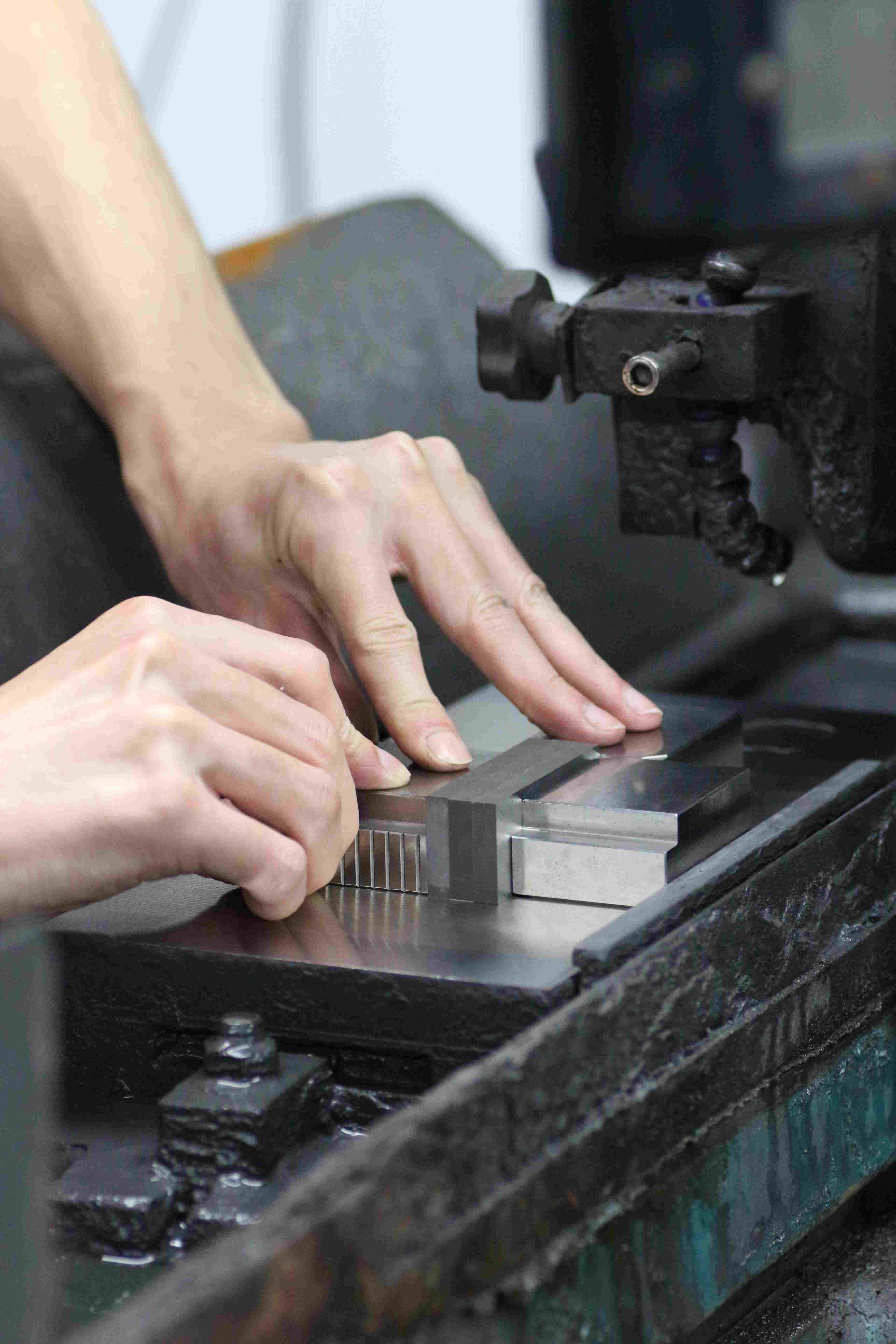
Finally, the professional quality of technical operators also plays an important role in machining precision. Skilled operators can accurately operate equipment, adjust parameters according to actual machining conditions, and find and solve small problems in time. Regular training for operators on equipment operation, process knowledge and quality awareness can improve their professional skills, laying a solid human foundation for ensuring machining precision.
In conclusion, the machining precision of stamping mold components is affected by multiple factors, including material selection, equipment accuracy, process parameters, stress and thermal deformation, quality control and operator skills. Only by controlling each link strictly and comprehensively can mold manufacturers produce high-precision stamping mold components, meet the high-quality production needs of downstream industries, improve production efficiency and reduce comprehensive costs. With the development of intelligent manufacturing, optimizing these key factors through digital and intelligent means will become the trend of precision improvement in the stamping mold components machining industry.


 IPv6 network supported