Metal stamping die manufacturing has long prioritized speed and precision. Today, sustainability has become a key competitive factor for global tooling suppliers. For stamping die factories, sustainable manufacturing is eco-friendly and cost-effective, focusing on reducing production scrap, cutting rework, and extending die service life.
High scrap rates and short die lifespans are the main causes of resource waste, high operational costs and extra carbon emissions in stamping production. Optimizing die design, materials and processing workflows can help manufacturers achieve low-waste production and long-term cost savings.
Traditional stamping die production suffers from severe resource waste, mainly caused by outdated design and processing methods:
High scrap output: Unreasonable die clearance, poor surface finish and unstable heat treatment cause burrs, deformation and dimensional errors, leading to massive defective products and scrap.
Premature die damage: Low-grade materials, unoptimized structures and lack of maintenance result in rapid wear, chipping and cracking of punches and die inserts.
Frequent die replacement: Short die service life requires repeated tool production, consuming extra steel and machining energy and generating industrial waste.
Low energy efficiency: Unstable die performance causes frequent production downtime and debugging, increasing indirect energy consumption.
Simply put, short die life and high scrap rates equal high costs and high carbon emissions. Sustainable die manufacturing solves these fundamental pain points efficiently.
Most stamping scrap stems from flawed die design and imprecise machining rather than raw material issues. Optimizing tooling structure and processing is the most efficient way to reduce waste.
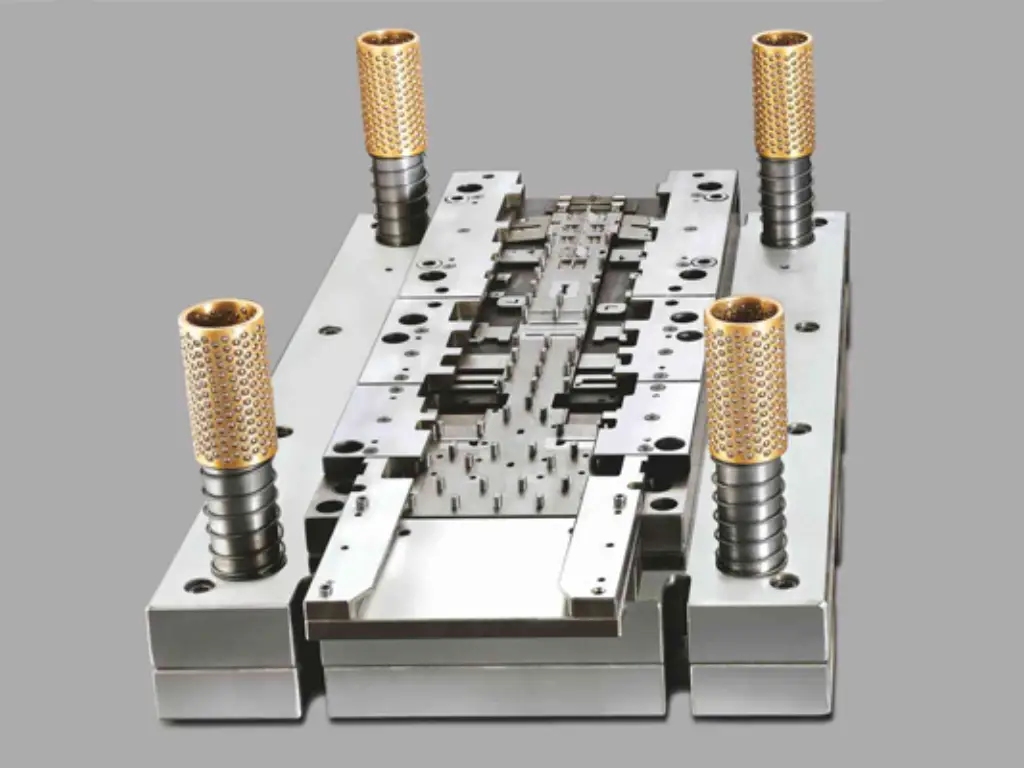
Pre-production DFM optimization fixes potential structural defects. Optimizing blanking clearance, springback compensation and progressive die layouts minimizes burrs and deformation, stabilizing product yield and greatly reducing rework scrap.
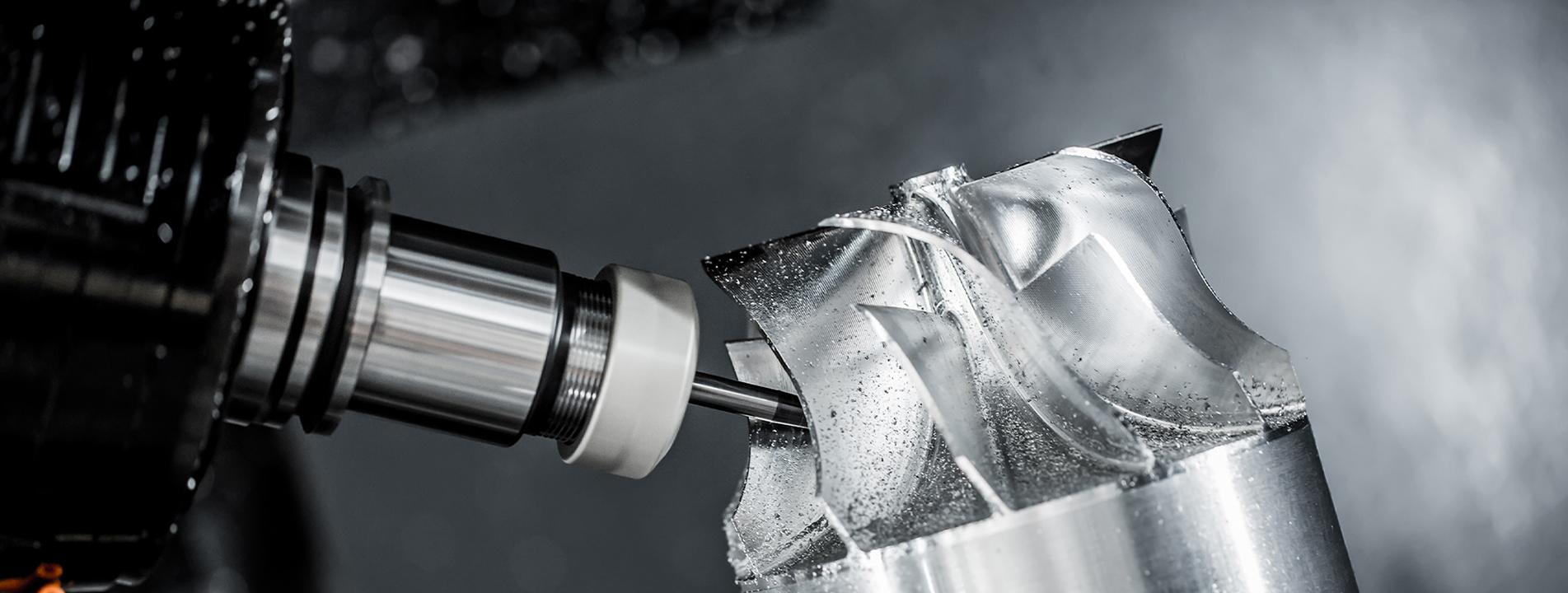
Precision wire EDM and CNC grinding guarantee consistent die tolerance. Fine polishing up to Ra ≤ 0.2μm avoids metal adhesion and surface defects. Stable tool precision eliminates batch scrap in mass stamping production.
Modular insert design replaces only worn punches and cavities instead of the whole die set. It retains intact die bases, drastically cutting steel consumption and reducing overall tooling waste.
Extending die service life reduces frequent tool replacement and machining waste, serving as the core of sustainable stamping production. Scientific upgrades can boost die lifespan by 30%–100%.
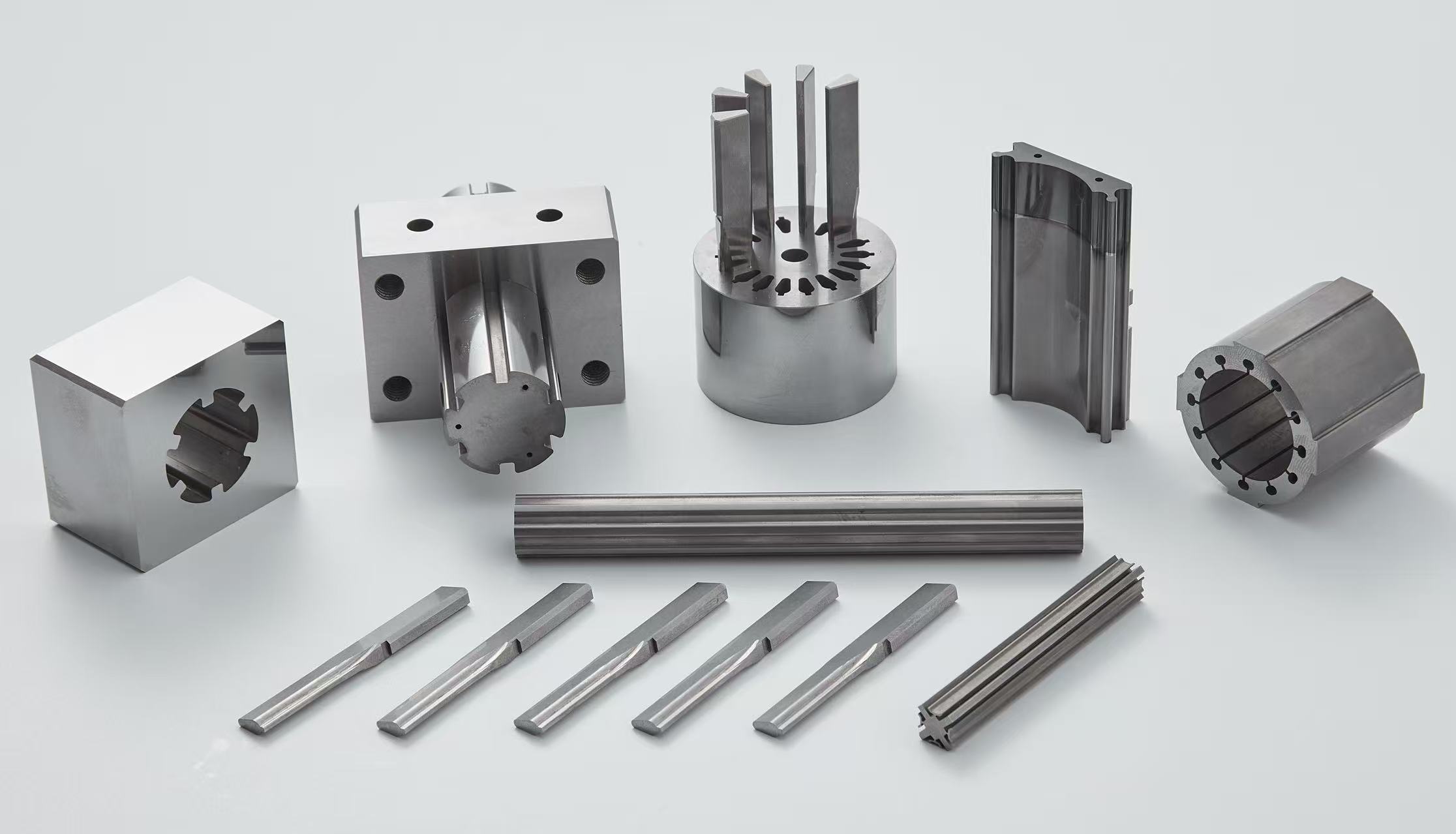
Scenario-based material selection prevents premature die failure. Tungsten carbide suits high-volume precision stamping, while high-performance steel including SKD11, M340 and ASP23 powder steel delivers excellent durability for high-frequency stamping tasks.
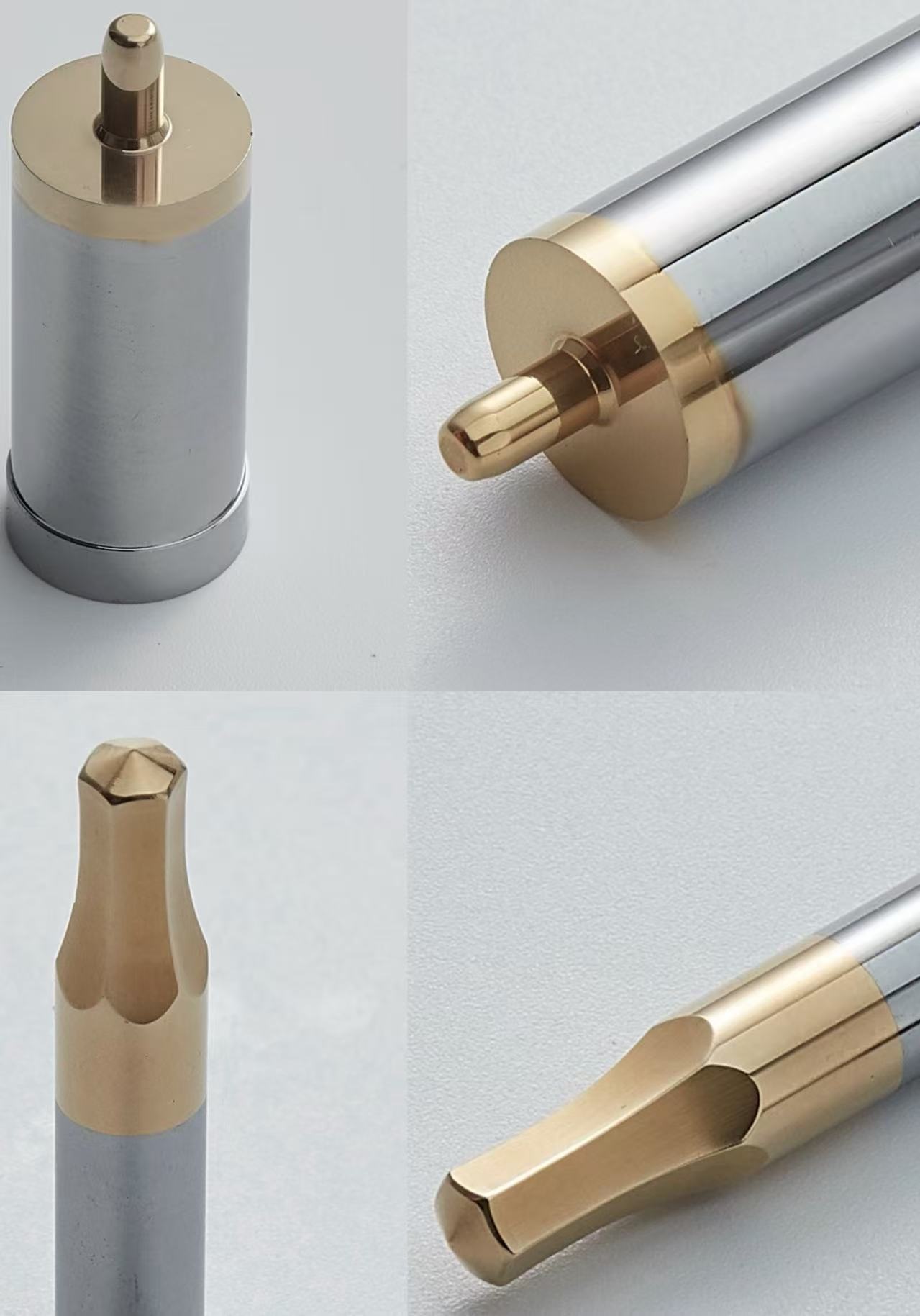
Precision vacuum heat treatment enhances material toughness and uniformity to avoid deformation and cracking. Professional surface coatings such as TiN, TiCN and DLC form a protective film, reducing friction, wear and oxidation. These treatments effectively extend die service life, lower long-term production costs and reduce resource waste.
Sustainability in stamping die production is not just an environmental slogan, but a practical solution to cut costs and improve efficiency. By optimizing die design, adopting high-performance materials and precision processing, manufacturers can significantly reduce scrap rates and extend tool lifespan. Balancing eco-friendly production and product reliability helps tooling suppliers stand out in the competitive global market.


© 2026 © HONGYU MOULD LIMITED. All Rights Reserved.
 IPv6 network supported