0.12 mm of Carbide, Zero Margin for Error: The Real Machining Story Behind Micro Tungsten Carbide Punches
Sep 24, 2026
In high end manufacturing sectors such as precision stamping and terminal & semiconductor connector molds, micro special shaped tungsten carbide punches are the critical core components that determine mould accuracy, finished part yield and service life. Compared with conventional high speed steel punches and standard round punches, micro special shaped tungsten carbide punches feature extremely high machining barriers, which can be described as a micron level precision craftsmanship test for mould part manufacturing.
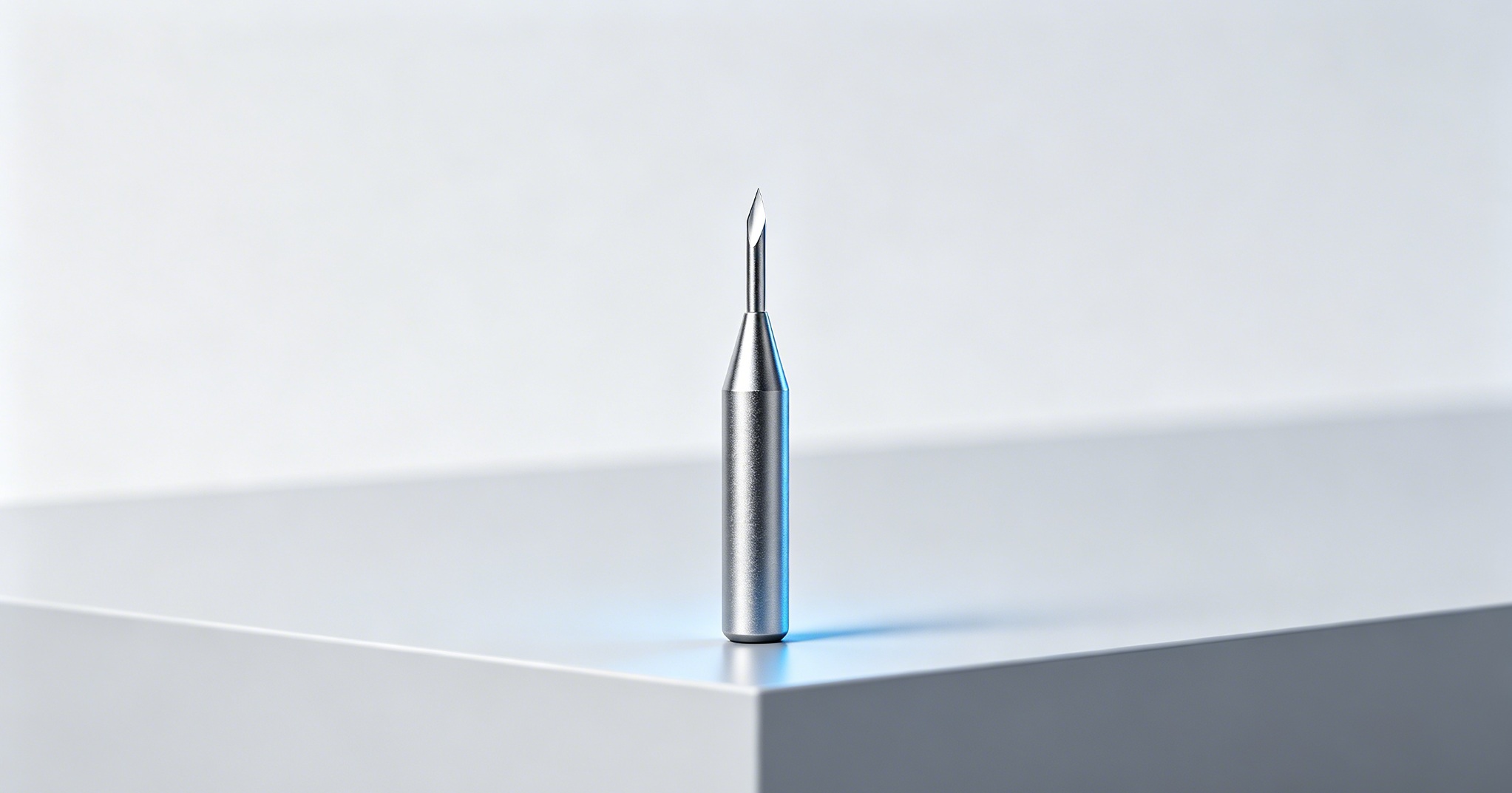
Many mould manufacturers and precision engineering enterprises report that micro special shaped punches sourced from ordinary suppliers on the market are prone to chipped cutting edges, microcracks, dimensional deviations and short stamping lifespans, failing to meet the mass production requirements for high end precision applications. Today we take a typical high difficultity component — a 0.6 mm special profile punch with an ultra thin 0.12 mm cutting edge — as an example to thoroughly break down the core machining challenges, and reveal our proprietary process strengths that overcome industry pain points to consistently deliver ultra precision tungsten carbide punches.
Inherent Material Conflict: ZeroTolerance Machining Dilemma under Extreme Hardness
Tungsten carbide (cemented carbide) delivers exceptional hardness of HRA90 92 and outstanding wear resistance, making it the preferred material for micro precision punches suited for high frequency, continuous high precision stamping operations. However, it carries a critical material trade off: ultra high hardness paired with very low toughness and extreme brittleness.
For this micro special shaped punch with a 0.12 mm ultra thin cutting edge — as thin as a sheet of lightweight cardstock — the machining margin for error approaches zero. Minor machine tool vibration, slight deviations in grinding wheel feed parameters or tiny adjustments in clamping force can directly cause edge chipping or part fracture. Unlike high speed steel, which permits slight plastic yielding for stress buffering, tungsten carbide offers virtually no toughness buffer. Conventional machining processes are completely unsuitable for such ultra thin special profile structures, which explains why most small workshops cannot produce premium micro tungsten carbide punches.
Common Industry Pain Point: Hidden Defects Left by Wire EDM Machining
Slow speed wire electrical discharge machining (Wire EDM) is widely used for rough shaping of micro special shaped punches. The electrical discharge process generates a recast metamorphic layer on the workpiece surface filled with invisible microcracks. These latent defects cannot be identified by visual inspection yet trigger rapid edge chipping and material spalling once the finished part runs on a stamping press, resulting in unplanned mould downtime and mass produced defective components.
The critical challenge in this process lies in ultra precise stock allowance control. For a 0.12 mm ultra thin cutting edge, the grinding allowance must be strictly maintained within a narrow window of 0.008 mm to 0.015 mm per side. Excessive stock removal will over thin the cutting edge and scrap the part; insufficient removal fails to fully eliminate the recast layer and leaves hidden quality risks. Most market side manufacturers rely on empirical settings with loose parameter control, unable to balance dimensional accuracy and service life, leading to low production yield.
Core Craftsmanship Barrier: Micron�Level Optical Profile Grinding (PG) Technology
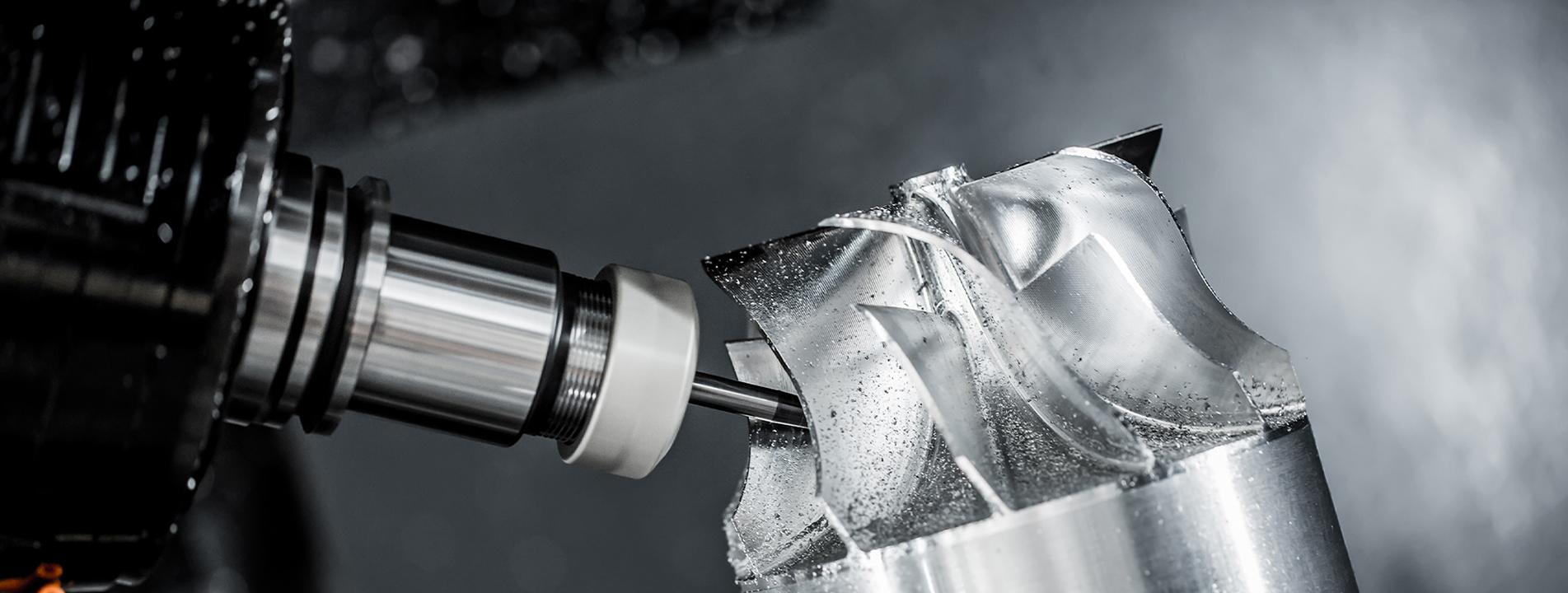
After rough machining, final dimensional accuracy and cutting edge quality fully depend on Optical Profile Grinding (PG) — the core technical barrier for micro special shaped tungsten carbide punches and one of our key competitive advantages. Grinding ultra thin cutting edges differs drastically from standard punch fabrication. Every parameter and procedure is custom tuned:
1. Custom matched grinding wheels with frequent dressing: We deploy ultra fine grit diamond grinding wheels with custom dressing routines tailored to each special profile. High frequency precision dressing prevents edge chipping and profile distortion caused by wheel passivation, ensuring accurate forming of complex contours.
2. Micron scale intermittent feed control: Instead of conventional continuous tool paths, we adopt self optimised intermittent micro feed machining. Material removal per pass is limited to the micron range, eliminating grinding impact that would damage ultra thin cutting edges. Although cycle times are extended and productivity reduced, micro chipping and part deformation are reliably avoided.
3. Constant temperature stress relief machining system: Tungsten carbide exhibits poor thermal conductivity. Localised high grinding temperatures easily induce thermal�stress microcracks. We deploy a dedicated thermostatically controlled cooling system with stabilised oil temperature and flow rate to eliminate thermally induced hidden cracks and preserve internal structural integrity.
4. Low stress custom tooling clamping: Tiny micro components risk crushing or positional shift during clamping. We utilise custom vacuum chucks and low stress fixtures for non deforming full contact clamping, preventing workpiece fracture, machining vibration and dimensional drift.
Rigorous Quality Assurance: Multi Dimensional Inspection Standards Exceeding Industry Norms
The value of premium micro tungsten carbide punches does not lie in producing visually acceptable prototypes. Real capability means stable mass production free of latent defects with consistent long term stamping performance. We implement a full process quality control standard stricter than typical industry requirements to resolve chronic industry issues such as inconsistent mass yield and after sales risks:
1. Precision control: Dimensional tolerances for special shaped profiles are stably held within ±0.003 mm, with perpendicularity ≤0.005 mm, meeting ultra high precision requirements for high end connector, semiconductor and precision terminal molds.
2. Microscopic inspection: 400× metallurgical microscopes are used for 100 % cutting edge inspection to eliminate notches and micro chips larger than 0.002 mm, detecting all invisible microscopic flaws.
3. Service life optimisation: Custom lightweight coating processes are developed for ultra thin cutting edge operating conditions, balancing sharpness and wear resistance. This avoids two common industry pitfalls: excessive coating thickness causing stamping burrs, and insufficient coating thickness shortening service life.
4. Mass production stability: Full process SPC dimensional monitoring guarantees consistent precision across batches, eliminating lot to lot variation to support customers’ large volume manufacturing.
Our Core Competency: Turning “High Difficulty Non Standard Parts” into “Reliable Consistent Deliverables”
The current industry landscape shows overcapacity and fierce price competition for standard tungsten carbide punches. In contrast, high precision, micro sized, ultra thin and special shaped tungsten carbide punches remain in critically short supply among qualified suppliers due to demanding machining requirements, low yield rates and high technical barriers — representing a key urgent demand for high end mould manufacturers.
With years of expertise in precision mould part fabrication, we specialise in custom engineered high difficulty micro special shaped tungsten carbide punches. Our distinct strengths are summarised below:
✅ Proven solutions for challenging applications including ultra thin cutting edges, micro structured profiles and slender micro punches
✅ Self optimised integrated processes for Wire EDM stock allowance, PG grinding and stress controlled machining to eliminate microcracks, edge chipping and dimensional non�conformity
✅ Full set of high precision equipment, custom tooling and strict quality control delivering mass yields well above industry averages
✅ Customisation available for a full range of non standard micro special shaped tungsten carbide punches for precision stamping, terminal, semiconductor and medical device high end industries
The precision of mould components defines the quality of end products. Micron level process innovation builds core enterprise competitiveness. The manufacturing complexity of micro special shaped tungsten carbide punches represents an industry technical barrier — and our competitive advantage. We reject crude machining and latent defects. Adhering to the standards of micron level accuracy, zero microcracks, extended service life and consistent reliability, we help high end manufacturing customers resolve precision mould part bottlenecks, improve mould longevity, production yield and overall market competitiveness.
If you require custom high difficulty micro special shaped tungsten carbide punches and precision mould piercing tools, please feel free to contact us for your dedicated precision machining solution.


 IPv6 network supported